1981 to Present
Forty-Six Years in the Field
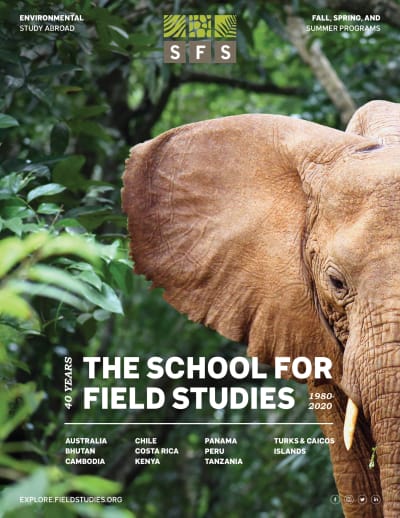
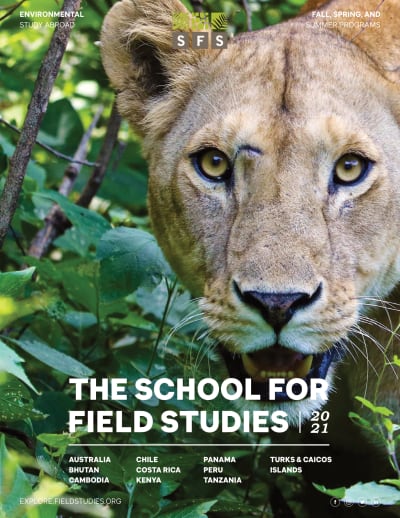
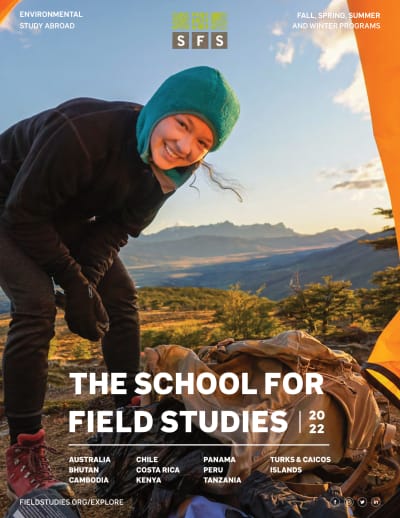
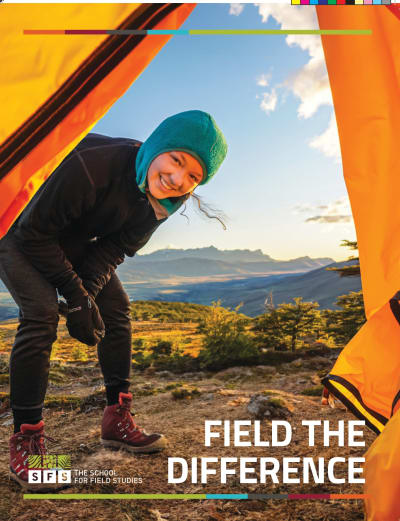
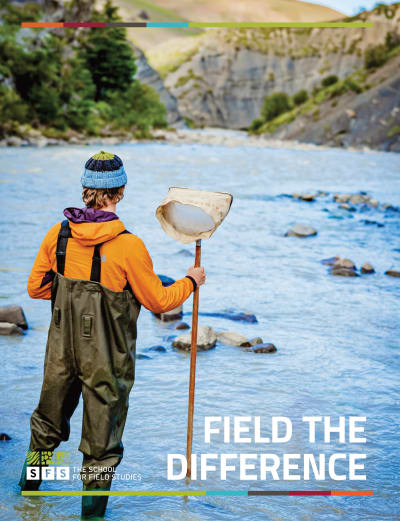
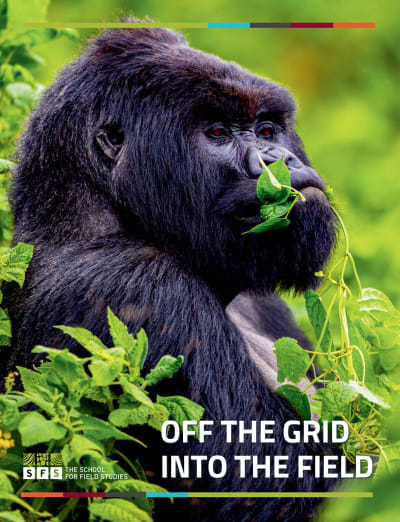
Every catalog we ever printed, each one a statement of what we believed that year.
Every catalog we ever printed, each one a statement of what we believed that year.
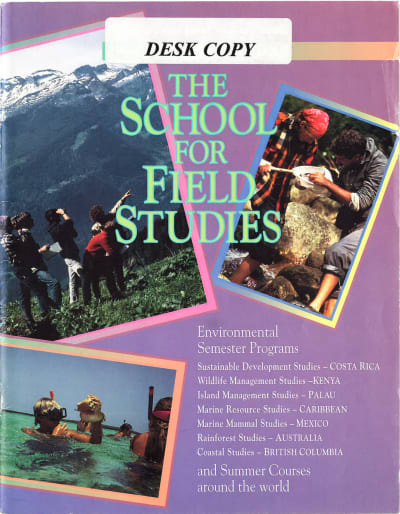
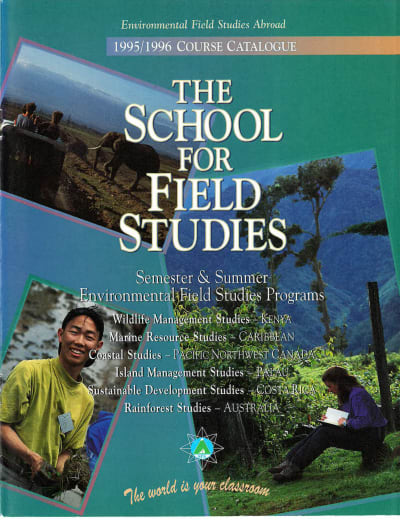
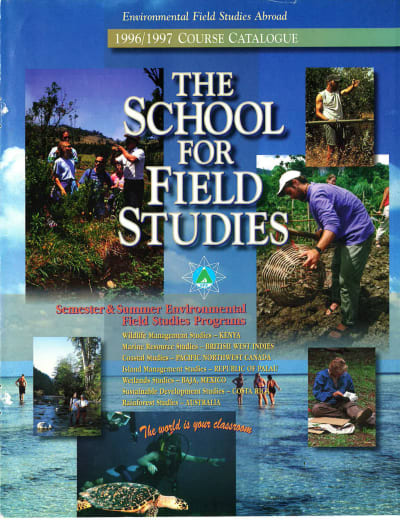
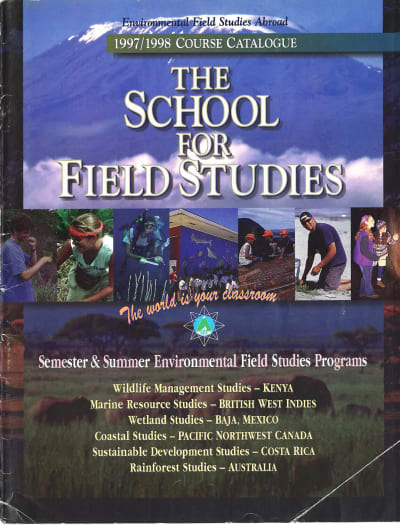
These catalogs go back to 1981, and all of them make the same argument. The world is a better classroom than any building, and the best way to learn about an ecosystem is to live in it alongside the people who already do. What changes from decade to decade is the language. The eighties catalogs are urgent about conservation, and the nineties ones are about our decision to stay in the places we study. Systems thinking arrives in the 2000s and applied research in the 2010s. The newest catalogs talk about reciprocity and identity.
Reading them in order is a strange kind of time travel. You already know which bets pay off and which ideas last. Somewhere along the way it occurs to you that someone will one day read the 2026 catalog the way you are reading the 1981 one, with the same unearned hindsight. Some of it will look quaint to them. We hope most of it still looks right.
Taken together, the catalogs show what we have valued all along. We live in the places we study and stay long enough to build relationships there, and fieldwork is the core of the education.
We started in 1981 with nine expeditions and ended the decade with five permanent research centers. In 1984 we invented the twelve-week semester abroad in environmental science. The same year we coined “The World Is Your Classroom,” a line we kept for forty years.
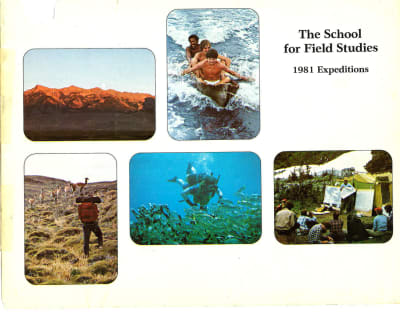
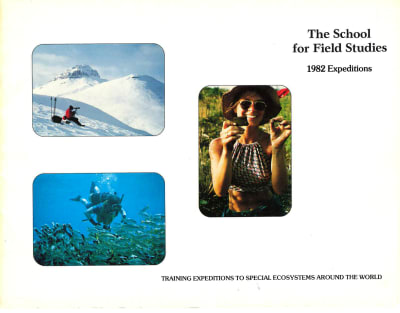
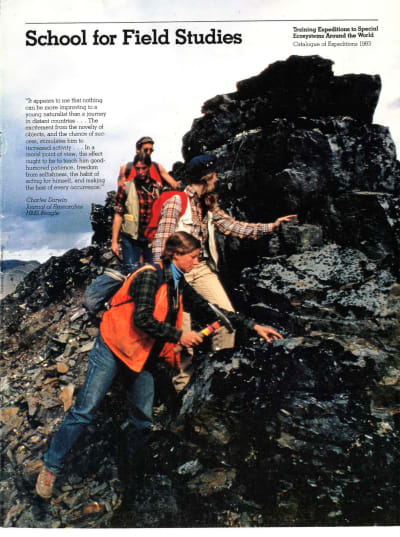
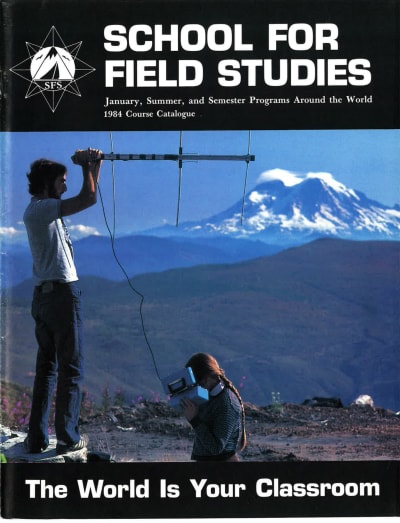
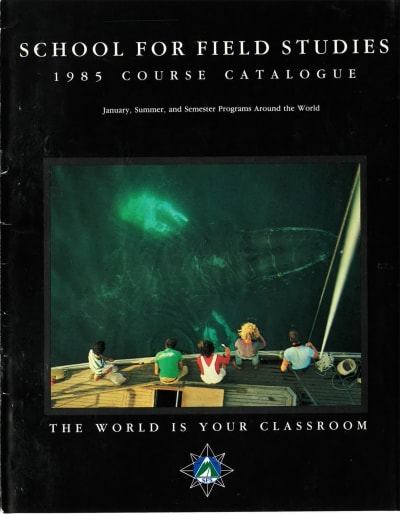
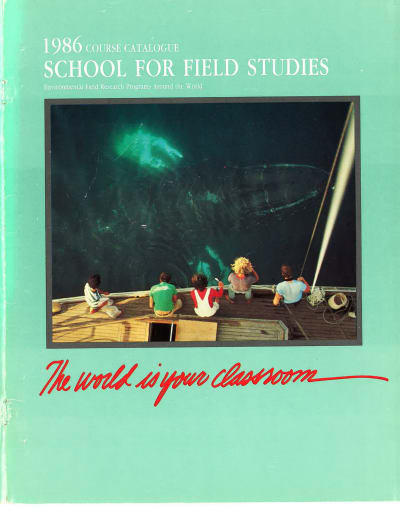
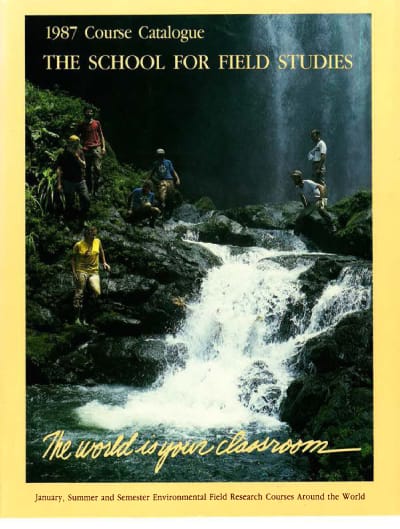
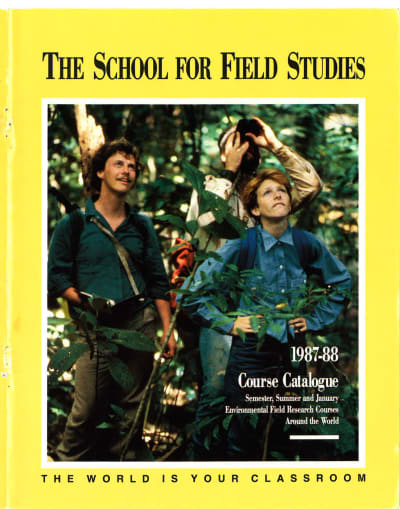
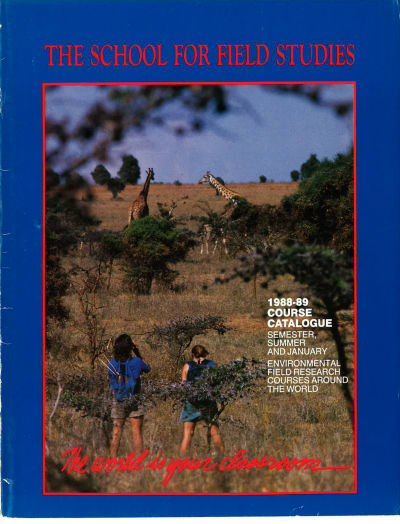
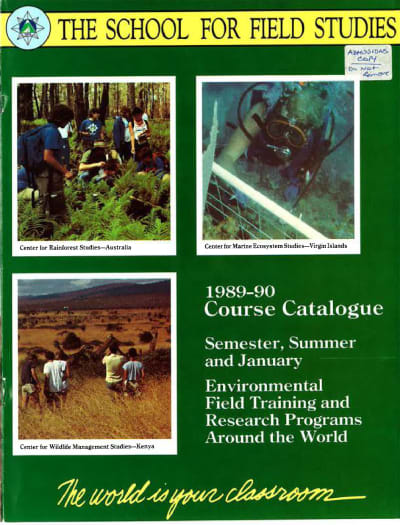
This was the decade we decided to stay. The permanent centers settled into the places around them, and faculty became residents. Students became crew. The catalogs from these years describe long relationships with Kenya, Australia, Costa Rica, and the Turks and Caicos Islands.
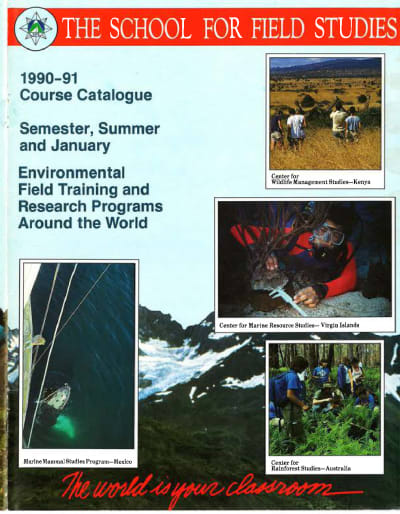
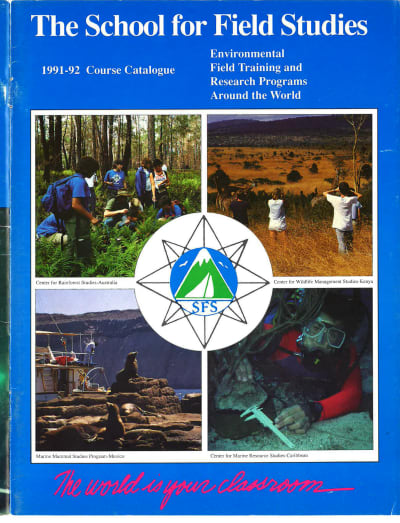
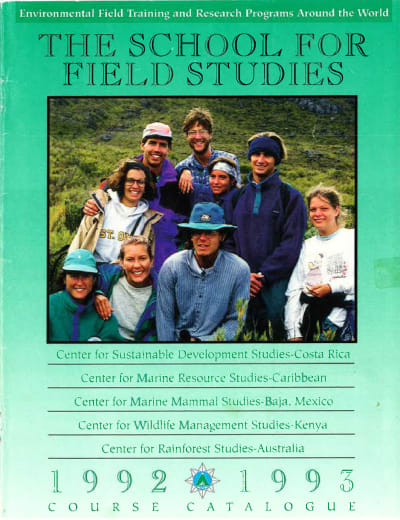
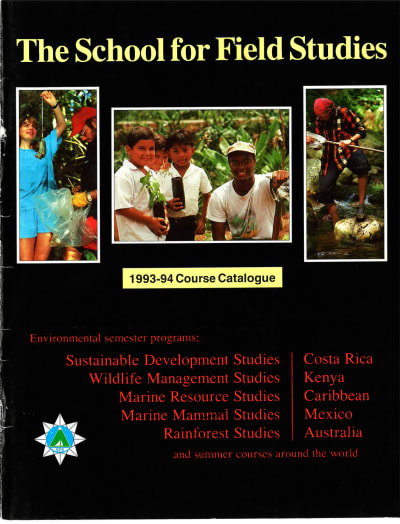
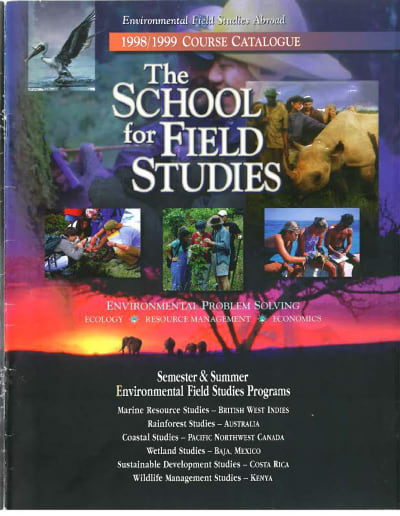
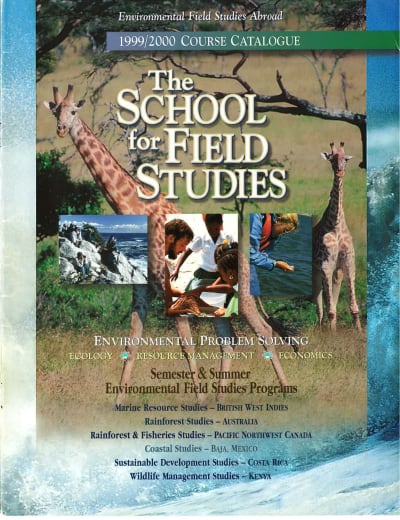
We passed twenty-five years and twelve thousand alumni in this decade, and the catalogs started to sound sure of what we believe. Environmental justice and systems thinking entered the vocabulary. So did climate.
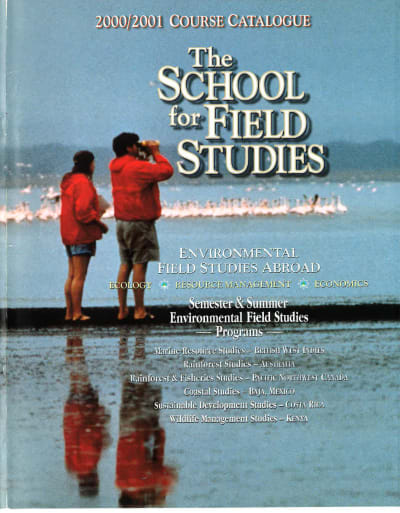
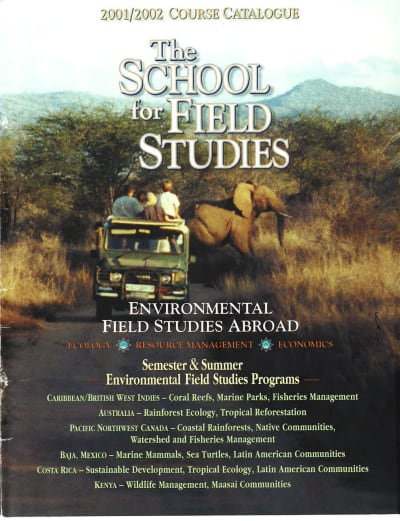
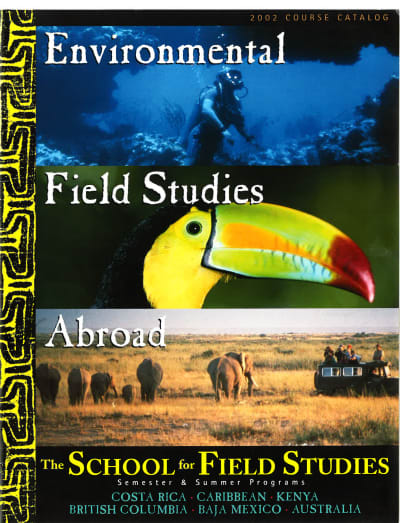
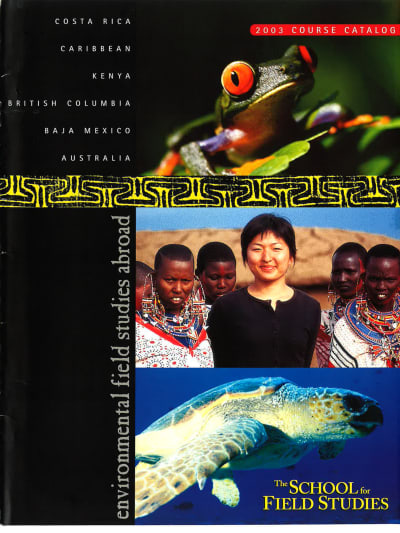
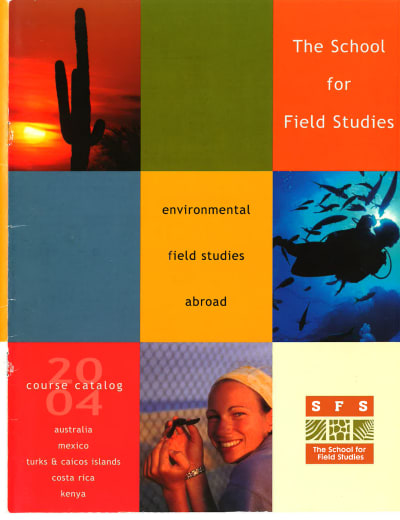
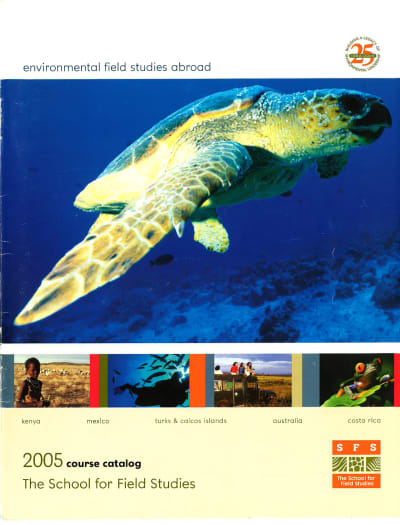
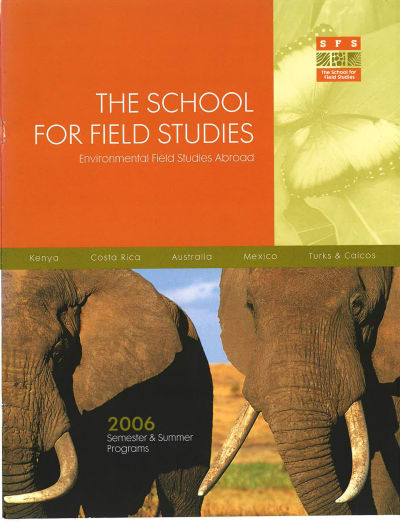
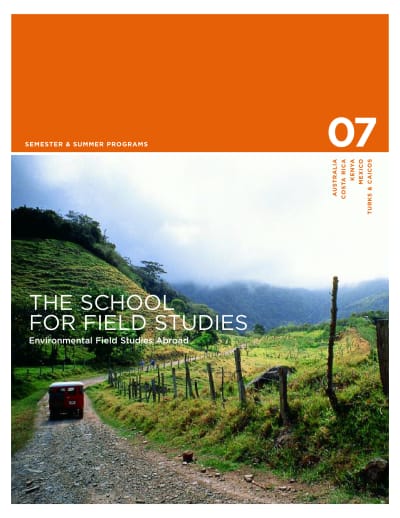
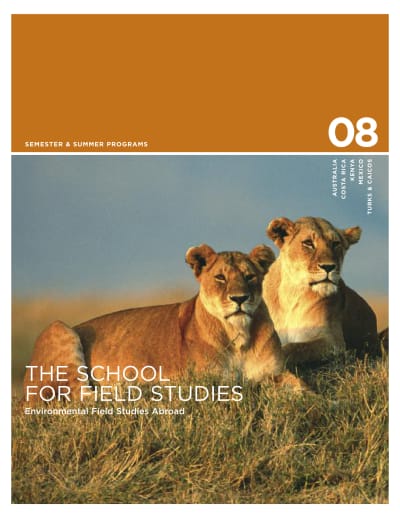
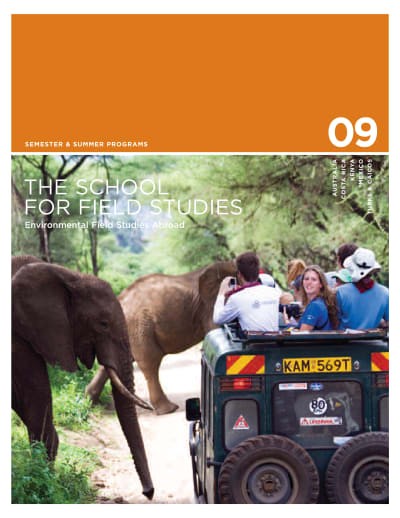
Six new centers opened this decade, in Bhutan, Tanzania, Panama, Cambodia, Peru, and Chile. By 2019 the catalog listed ten field centers, double digits for the first time. That catalog was redesigned from the ground up and put Rachel Carson across its opening spread. In these years we also started calling the science “applied, user-inspired research,” a phrase that says what we think it is for.
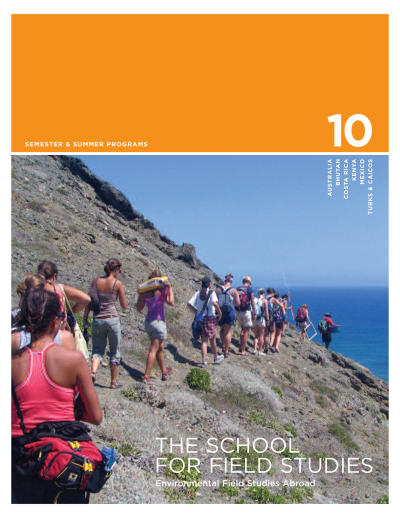
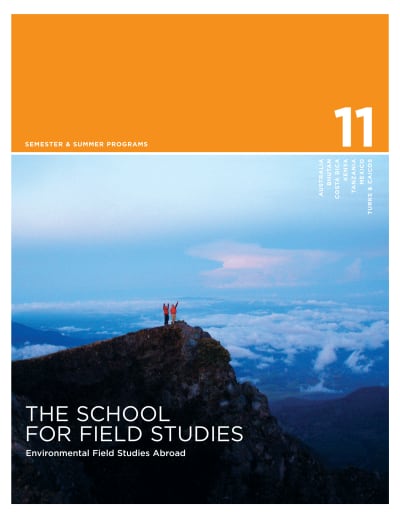
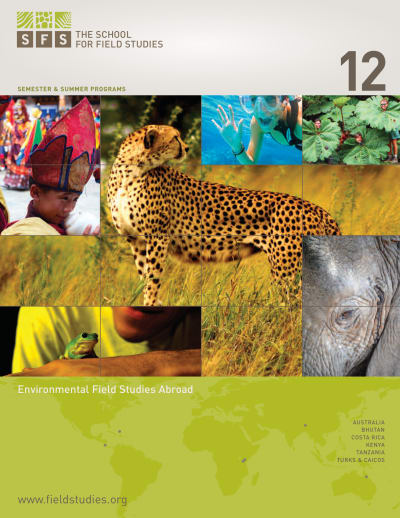
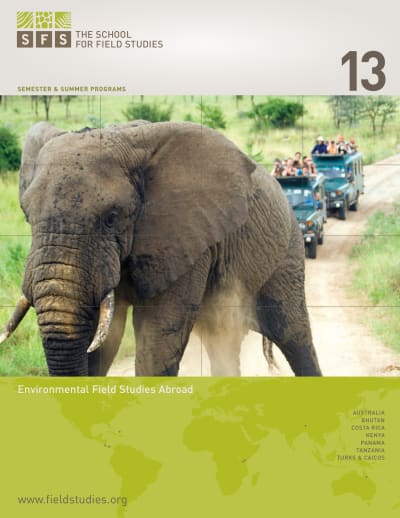
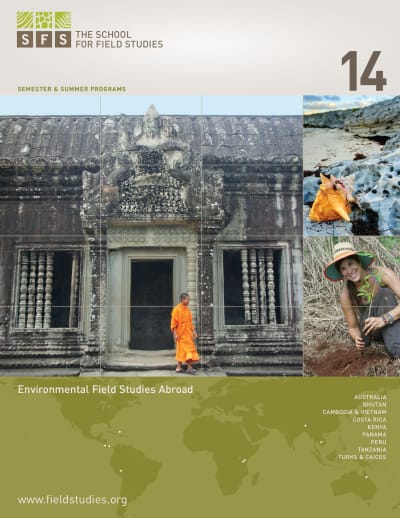
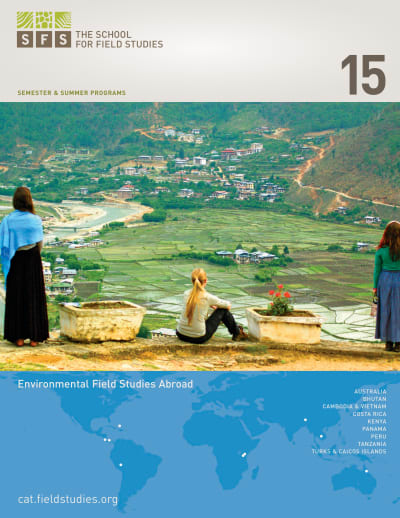
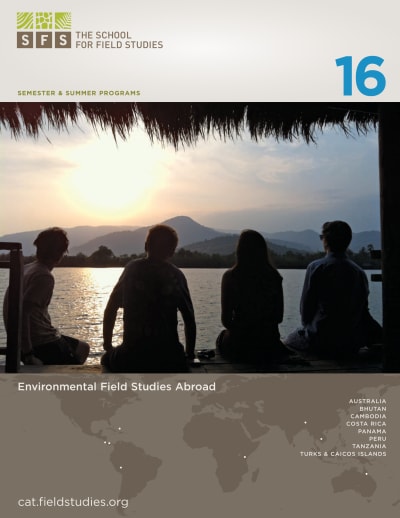
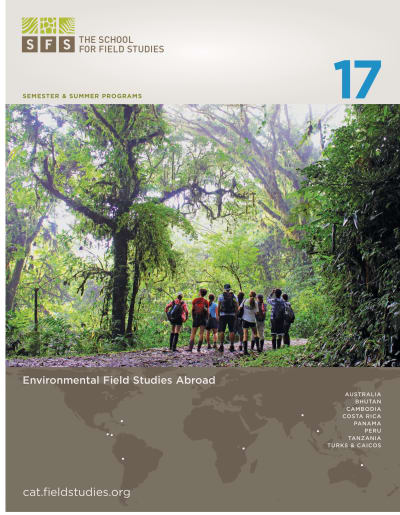
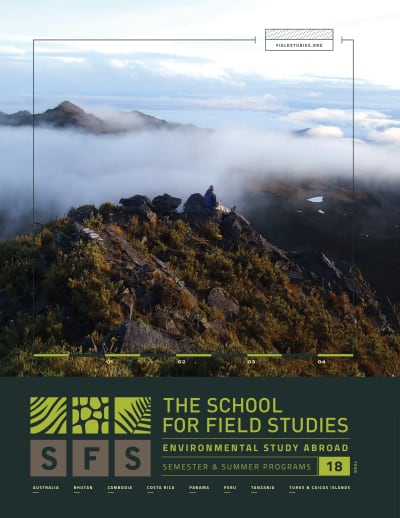
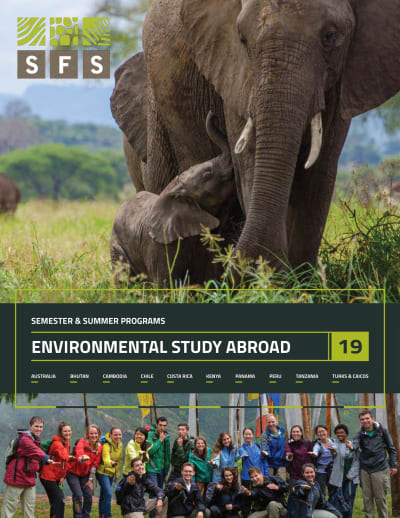
Our 40th anniversary came with a wider sense of purpose. The catalogs put student voices on the cover and made climate the central frame, and they described diversity and inclusion as a strength. Croatia and Italy opened as our first European centers. That made twelve countries, the widest map since the 1990s. The 2025 catalog carried the line “The World Is Alive. Step Into Its Story.” A year later we went back to 1984 and changed a single word, and “The World Is Your Classroom” became “The Field Is Your Classroom.”