Where Coffee and Biodiversity Meet
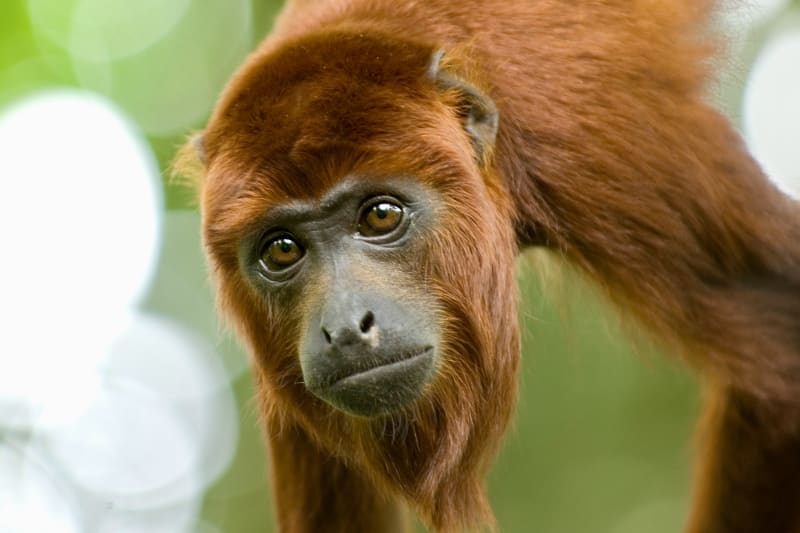
Coffee and cacao grow beneath shade canopy that also shelters wildlife. In Costa Rica, biodiversity and agriculture are deeply entangled. Four weeks here teaches you how, and shows you where the model strains.
Based on the center's active farm in Atenas, you'll compare coffee farms and the certification systems that shape their survival, trace cacao from harvest to tasting, and study the soil biodiversity that sustainable agriculture supports across the Central Valley.

What You'll Do
Coffee Certification Study
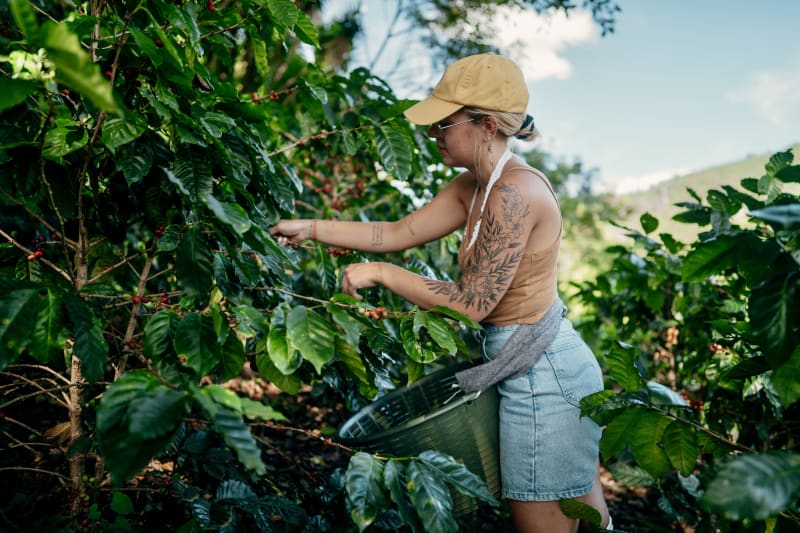
Design your own certification framework, then compare two nearby coffee farms by choosing social, environmental, and productivity indicators and collecting data in the field.

Cacao to Chocolate
Harvest cacao at an organic farm, grind it on a traditional stone metate, and taste the results with a sustainable chocolate maker while comparing the sustainability of coffee and chocolate tours.

Soil Biodiversity Sampling
Set soil traps under cacao and coffee agroforestry, then measure the underground biodiversity that sustainable farming supports.
Field Sites
Your fieldwork spans working coffee and cacao farms, a tropical agriculture research center, and Arenal Volcano National Park.

Shade-Coffee Plantations
Working farms where canopy trees shelter both coffee plants and resident wildlife.

CATIE & Aquiares
A tropical agriculture research center and a certified, low-emission coffee estate in Turrialba.

Arenal Volcano National Park
A field trip to Arenal Volcano and the protected forest around it, beside working farmland.
Coffee, Chocolate, and the Soil Beneath Both
On a working coffee farm, agroforestry management keeps shade canopy above the beans. At a farmer cooperative, growers explain the certification systems that determine who survives the global market. Students design their own certification framework and test it by comparing two coffee farms near the center: choosing social, environmental, and productivity indicators, collecting field data, and analyzing results. Under cacao and coffee agroforestry, soil traps measure the biodiversity that regenerative practice creates underground.
Learn by Doing
One course spans tropical biodiversity and sustainable food systems. Mornings on coffee and cacao farms feed into afternoon analysis of agroforestry and certification, and soil sampling connects farming practice to underground biodiversity. Four weeks, four credits, one field-driven arc.
Course
One integrated field course blending tropical ecology with sustainable agriculture.
Studies the ecology, cultivation, and sustainable development of coffee and cacao through a coffee certification study, agroforestry visits, soil biodiversity sampling, and cacao-to-chocolate fieldwork across the Central Valley.
View Syllabus (PDF)Spend Your Summer in the Tropics
Four weeks of field science in a country holding five percent of the planet's biodiversity.
Dates & Costs
4 weeks, 4 credits. Financial aid and SFS scholarships available.