


Two Continents Collided. This Is What Grew.
A red morph poison-dart frog pulses on the leaf litter. Fifty meters downslope, coral heads glow beneath three feet of Caribbean water. Bocas del Toro exists at the hinge of two continents and two oceans, an archipelago where coral reefs, mangrove nurseries, seagrass meadows, and lowland rainforest are pressed so close together that what threatens one ecosystem ripples through all the others.
Most mornings start underwater: snorkeling benthic transects along the reef, counting fish at stationary points, surveying coral health across marine park zones. Afternoons shift to the forest, where you measure color and body size in poison-dart frogs across island fragments and survey the insects and mammals that share them. At Ngöbe cooperatives, cacao grows beneath standing canopy: forest and livelihood held together, the tension running through every Directed Research question.

What You'll Do

Poison-Dart Frog Surveys
Survey Oophaga pumilio populations across the islands, recording morphometrics, coloration patterns, and behavioral ecology in disturbed and intact forest habitats.

Coral Restoration & Reef Surveys
Snorkel artificial reefs and a coral nursery at Caribbean Coral Restoration, then conduct benthic transects and reef fish counts using stationary point methods.

Leaf-Cutter Ant Ecology
Design behavioral experiments testing leaf-cutter ant foraging preferences in Isla Colón's rainforest, analyze data using linear regression, and present findings in a group presentation.
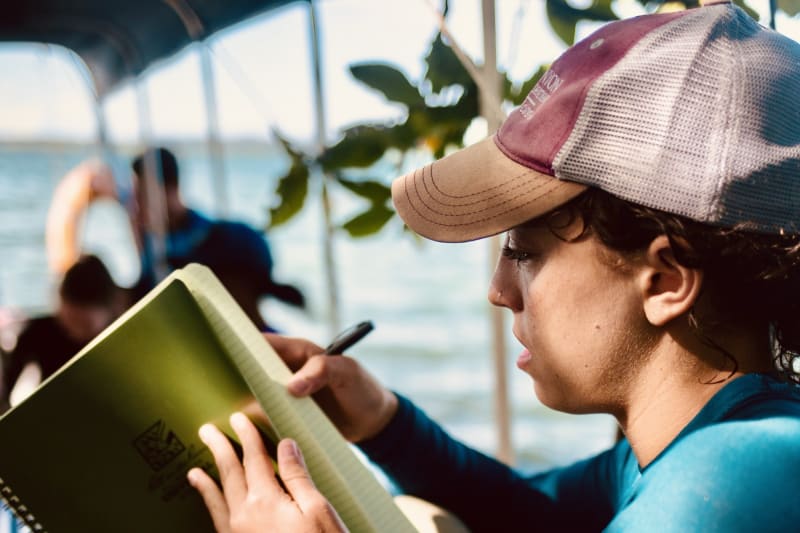
Seagrass & Mangrove Mapping
Mark and measure seagrass quadrats for primary production surveys, then snorkel mangrove forests to photograph sponges and record mangrove bio-indicators.

Indigenous Tourism Cooperatives
Visit Oreba, Darklands, and Cacao Blessings, Ngöbe-run cooperatives where ecotourism and cacao agroforestry sustain both community livelihoods and surrounding forest.
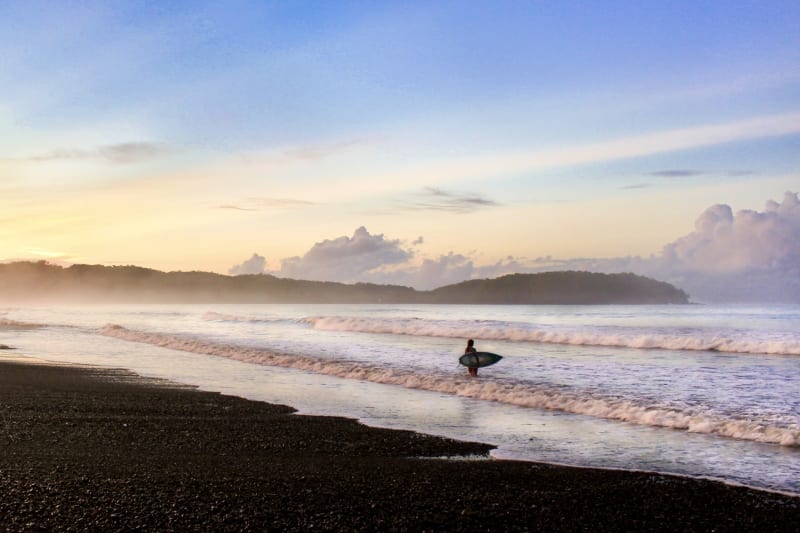
Coastal Erosion & Beach Mapping
Map shoreline changes as a long-term monitoring project, tracking how tourism infrastructure and wave action reshape the archipelago's coastline.
Field Sites
From coral reefs and seagrass meadows to mangrove nurseries and lowland rainforest, your research spans Bocas del Toro's interconnected ecosystems.

Reefs & Island Forests
Poison-dart frog surveys on Isla Solarte and Isla Colón, and benthic transects over reef and seagrass.

San San Pond Sak & Rainforest
A RAMSAR-protected wetland for manatees and migratory shorebirds, plus nocturnal hikes on Isla Colón.

Indigenous Cooperatives & Cacao Farms
Oreba, Darklands, and Cacao Blessings: Ngöbe-run cooperatives sustained by cacao agroforestry and ecotourism.
The Hinge of Two Continents
The Panama Isthmus fused North and South America and split the Atlantic from the Pacific: a biogeographic collision that packed reef, mangrove, seagrass, and lowland rainforest into a single archipelago. Students snorkel Isla Bastimentos National Marine Park, survey Oophaga pumilio color morphs across islands that diverged genetically in isolation, and visit Ngöbe cooperatives where cacao agroforestry sustains both canopy and community. The reef, the forest, the mangrove, the farm: all within a short boat ride, all under pressure.
Two Ecosystems, One Integrated Curriculum
Five courses weave coastal ecology, tropical forest science, and environmental governance into a single island curriculum. Students master photo-quadrat benthic surveys, seagrass primary production methods, and mangrove bio-indicator protocols while studying island biogeography, MPA design theory, and Indigenous tourism governance, skills converging in a Directed Research project addressing real conservation questions across the archipelago.
Courses
Five courses integrating marine ecology, tropical biology, and conservation science across Bocas del Toro's island landscapes.
Identifies Caribbean corals, fishes, and invertebrates through snorkeling surveys using benthic transects, photo-quadrats, stationary reef fish counts, and seagrass production measurements.
View Syllabus (PDF)Studies Oophaga pumilio morphometrics and coloration on Isla Solarte and Isla Colón, runs leaf-cutter ant behavioral experiments, and visits San San Pond Sak RAMSAR for manatee conservation.
View Syllabus (PDF)Analyzes tourism governance through field visits to Indigenous cooperatives, Isla Bastimentos National Marine Park, and sustainable hotel assessments using GSTC certification frameworks.
View Syllabus (PDF)Spanish at six proficiency levels with twenty contact hours using DELE/CEFR methods, plus socioenvironmental justice seminars and community video interviews across the archipelago.
View Syllabus (PDF)Faculty-led research: past projects include fish community structure on bleached Acropora patches, land-use change and the strawberry poison dart frog Oophaga pumilio, and cacao land management effects on leaf-litter frogs.
View Syllabus (PDF)

Your Semester in Panama Starts Here
Apply now to join the next cohort at the Center for Tropical Island Biodiversity Studies.
Dates & Costs
Semester program: 15 weeks, 18 credits. Financial aid and SFS scholarships available.


