Italy

Tuscan Tradition
Meets Sustainability

In the hills of Chianti, students explore how centuries of farming, food culture, and land stewardship can inform a more sustainable future.

Where Farming Faces the Climate Crisis

Olive groves terrace the hillside in rows older than the Renaissance. Below them, vineyards and pastures stretch toward the Apennines, a landscape that has fed civilizations for millennia and holds more animal and plant species than almost anywhere else in the European Union. But rising temperatures, shifting rainfall, and industrial agriculture are rewriting the conditions these systems depend on. The SFS Center for Sustainable Food Systems sits in Greve in Chianti, where students study whether the food traditions that shaped this landscape can survive what's changing it.

In Chianti, students count pollinators in vineyards and dig for earthworms in olive groves: field-level evidence of whether organic conversion is changing anything. In Casentino, mountain chestnut forests give way to sheep pastures where wolves have returned; shepherds are recalculating centuries-old practice with the help of Maremmana guardian dogs while students collect data on roe deer populations. In Maremma, students survey coastal wetlands where intensive agriculture presses against the lagoon's protected habitat. And in the Aeolian Islands off Sicily, artisanal fishermen haul nets with students on board, preparing the catch for direct sale. Local and regional park authorities, WWF activists, and stewardship farmers work alongside students at every site, testing whether biodiversity and food production can continue in harmony.

A student reaches up to pick a lemon in a sun-dappled Italian orchard
2024
Year Established
800+
Years of Agricultural Heritage
50+
Local Farm Partners
3
Field Regions: Chianti, Casentino, Maremma

Sustainable Food & Rewilding

Research bridges ecology and agriculture: from pollinator assessments in Chianti vineyards to soil health surveys in olive groves, wolf-livestock dynamics and roe deer population counts in mountain pastures, and birdwatching with the WWF in coastal wetlands. Data contributes to EU agri-environmental policy and local partners working to prove that biodiversity and food production can reinforce each other.

Explore Our Research
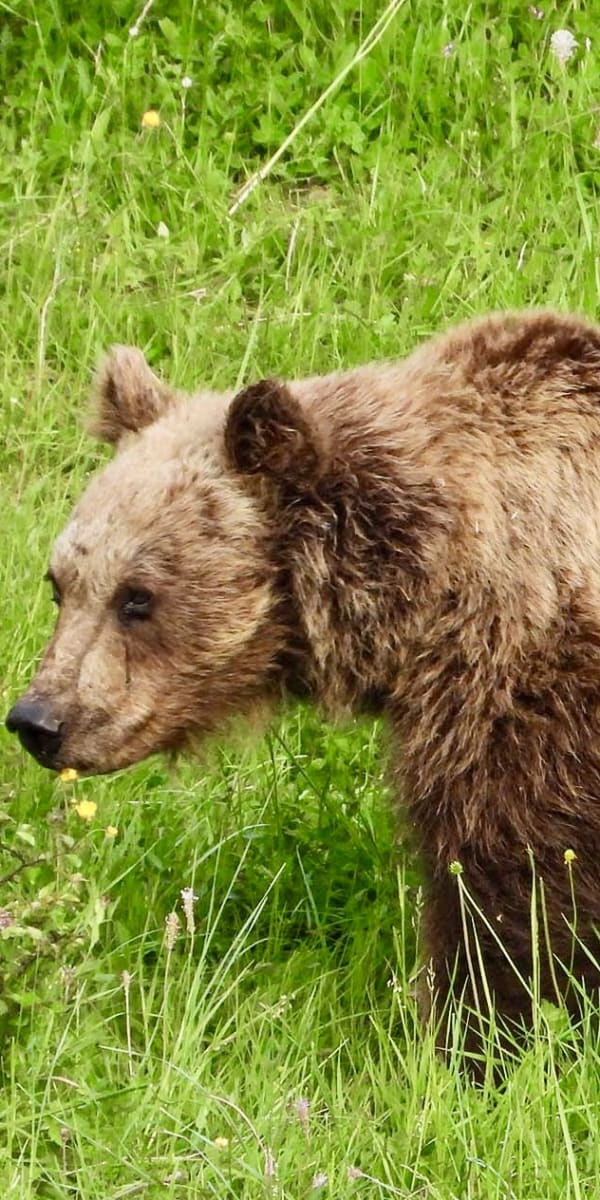
A brown bear stands side-on in a flowering mountain meadow in the central Apennines
A guardian dog sits alert on a stony Apennine pasture with its herd resting behind it

Hands-On Field Methods

  • Camera Trapping

    Deploy camera grids to monitor wolves, bears, and wild boar in Apennine rewilding corridors
  • Large Carnivore Tracking

    Follow wolf and bear sign through snow tracking, scat collection, and howling surveys
  • Pasture Ecology Plots

    Measure grass biomass, species richness, and soil compaction on traditional grazing lands
  • Farmer & Herder Surveys

    Interview pastoral communities on predator coexistence, livestock losses, and land management
  • GIS & Landscape Analysis

    Map habitat connectivity and land-use mosaics across the central Apennine rewilding zone
  • Transect Surveys

    Walk standardized transects for ungulate pellet counts and vegetation structure assessment
  • Scat & Diet Analysis

    Identify prey items in carnivore scat using microscopy and reference hair collections
  • Soil & Water Sampling

    Test soil and water quality across Tuscan farmland to gauge agriculture's pressure on habitats

Faculty in Italy

Foreste Casentinesi National Park

Every SFS program in Italy spends time in the Casentino with the park's wolf experts, veterinarian, and director, learning what it takes for wolves and people to share these mountains. Fall students help count red deer by their roars during the rut; spring and summer students classify what the park's camera traps caught.

Spring 2026

A Multidisciplinary Approach to Developing Riparian Zones

The strip of vegetation along a watercourse holds the bank together and carries much of the biodiversity left in a farmed landscape. Students drew on several disciplines to build more of them.

Spring 2026

Effects of Different Agroecological Soil Practices in Tuscany: QBS-ar Index as a Tool for Assessing Soil Health

The QBS-ar index reads soil health off the tiny arthropods living in the ground. Students ran it across Tuscan farms to compare what each agroecological practice does to the life below.

Fall 2025

How Does Consumer Satisfaction Reflect Produce Quality in Pears and Cauliflower Sold Across the Florence–Greve Area?

Does a shopper's verdict on a pear match what can be measured in it? Students bought pears and cauliflower from shops between Florence and Greve and tested both ends of the question.

Spring 2025

Lizard Presence as Bioindicators in Vineyards Across the Chianti Region: Assessment of the State of Biodiversity in the Agroecosystems of Chianti Classico

Lizards respond to pesticide, ground cover, and field margins, so where they turn up tells you how a vineyard is run. Students surveyed them across the vineyards of Chianti Classico.

Community & Culture

Students live in shared apartments in Greve, a small town surrounded by vineyards, olive groves, and regenerating forest. Florence is an hour north by bus, the Maremma coast is a day-trip south, and the Casentino highlands are a short drive through Apennine foothills. Fieldwork sites range from organic livestock farms and chestnut orchards to wild mountain ridges where wolves have returned within a generation.

Program activities run five days a week, with at least one day devoted to community engagement. Students visit working vineyards and olive oil producers, learn traditional cheesemaking and bread baking alongside Tuscan and Sicilian families, and collaborate with rewilding organizations on predator coexistence strategies. Research findings are presented at community events and contribute data to regional sustainability initiatives.

A woman works behind the counter of a small blue-fronted Italian cafe lined with hand-painted menu boards

Ready to Study in Italy?

Enrolling now for Spring 2027, Summer 2027, and Fall 2027.

Apply Now