


Your Experience
Student Life
What to expect when you live, learn, and conduct research in the field with SFS.
What to expect when you live, learn, and conduct research in the field with SFS.


At SFS you live in a small cohort, study alongside faculty, and engage with local communities. Success depends on shared accountability: academic, social, and cultural.
Coursework, field projects, and group research run in parallel. Engage fully, uphold academic integrity, and balance the demands. The work asks for resilience and rewards it.

You’ll share space and contribute to group tasks in a cooperative, inclusive cohort, with a phones-down ethos that puts people and place ahead of screens. Expect beliefs and boundaries different from home; seek support when you need it.

Every station has cell service, internet, and a satellite phone; outages happen and we plan for them. HQ holds a 24-hour emergency line.

Engage local communities with humility and curiosity, and follow cultural guidelines on dress and behavior: you arrive as a guest, learner, and caretaker. SFS supports religious observance and personal practice, though remote locations and structured schedules may limit some traditions.

Every SFS community member has a right to dignity, fairness, safety, privacy, due process, and reasonable accommodation. The Code of Conduct honors those rights while sustaining community wellbeing and program continuity.
Most semesters include mid-semester breaks and select free weekends, though you’re on your own for logistics and safety. Travel requires prior approval and a filed Independent Travel Form; SFS may restrict it for advisories, weather, or other risks.
 Prepared, on every continent
Remote fieldwork demands careful preparation, and we don't leave any of it to chance: student readiness, risk management, emergency protocols, and medical support across all 12 centers.
Running a small number of programs lets us tailor risk strategy to each field station and adapt quickly when conditions shift.
SFS adheres to the Forum on Education Abroad Standards and monitors global risk continuously, drawing on the U.S. State Department, Overseas Security Advisory Council, and other external sources.
Every center maintains its own emergency action plan: response protocols, contingency plans, nearby clinics, advanced care, and evacuation services. Staff have clear, practiced guidance for incidents.
Every program has a Health & Wellness Manager (HWM) dedicated to student safety and wellbeing. HWMs and faculty are trained in emotional first aid, and the majority of on-site staff have basic or wilderness first aid training. Our most remote programs also have at least one certified Wilderness First Responder.
Accepted students receive access to a student resources folder of pre-departure materials to support preparing for the field. SFS runs a robust pre-departure medical review process, and on-site orientation covers community, safety, and confidential channels for raising concerns.
Students are responsible for all vaccination and travel medication requirements. Consult a qualified provider well before departure, and bring a full supply of prescription medications for the entire program.
Life at a field station can be emotionally intense and isolating. Remote living, high demands, and group dynamics all test your mental wellness. Reflect honestly on your mental health needs before arriving and build strong coping strategies; professional support abroad is very limited and often unavailable.
SFS accommodates most dietary needs, but local availability, cultural practice, and cost limit variety, especially during homestays and travel. Communicate dietary and medical requirements promptly after acceptance.
Fieldwork is arduous: long days, rough travel, few comforts. It takes physical grit, adaptability, and self-managed care, especially for chronic health conditions. Prepare in advance and plan ahead for medical needs in remote locations.
All students receive Emergency Evacuation and Repatriation Insurance and must carry their own comprehensive health insurance valid in-country. SFS helps students access care in an emergency, but medical costs remain their responsibility. Accepted students receive full details in their program's Health and Safety Guide.
Physical and health accommodations run through Student Life; learning accommodations run through Academic Affairs. We work with you, your home school, and physicians to determine what can be safely supported. Accessibility varies by center.
Our programs are built on inclusivity and respect. We do not tolerate bullying, and we act quickly and decisively to safeguard the physical and emotional safety of our students. We celebrate diversity on our programs and expect the same of everyone who joins; students agree to and sign Essential Eligibility Criteria ahead of their program.
Field life asks a lot of every student. These guidelines reflect what it takes to thrive on an SFS program; read them honestly before you apply.
We highly recommend that you arrive in good physical health, able to manage personal medical conditions without routine medical care, and with good health standing maintained for the 12 months before your program. SFS programs are not appropriate for those who need routine in-person care while abroad.
We highly recommend good mental health standing maintained for the 12 months before joining a program abroad. SFS programs are not appropriate for those who require ongoing therapy to maintain stability, or who are in or in need of an intensive treatment program.
If you take prescribed medication, you must demonstrate stability on your current medication and dose for at least six months before your program start date. Stability includes the absence of side effects and a prescriber willing to provide enough medication to last the full program.
Be prepared to prioritize your wellbeing through a healthy sleep schedule, balanced nutrition, and self-care activities such as exercise, journaling, or meditation. Recognize when you need support and be willing to reach out for it, and embrace building new coping skills in a setting where familiar routines, like gym access, alone time, or reliable Wi-Fi, may be limited or unavailable.
Every SFS program has unique physical challenges. Be ready to meet the demands of yours, which may include hiking, swimming, snorkeling or SCUBA, and carrying gear for extended periods in heat, humidity, rain, snow, or wind.
Expect real unfamiliarity and discomfort, the kind that naturally comes with travel: changes in diet, extremely basic lodgings, unfamiliar surroundings, homesickness, long days, and shifting routines.
Recognize that your standard sources of support, including family, friends, and doctors, will not be readily available while you are in the field.
Communicate openly and honestly about any physical or mental health challenges before or during the program, and follow all medical and mental health guidance provided prior to departure and while abroad.
Center-specific guidance on daily life, physical demands, culture, and health care access. Select your destination below.
 Australia · Rainforest
Students follow a structured schedule (7 AM–7 PM) of classes and field activities most weekdays and some weekends. Accommodations are shared cabins with communal dining; breakfast and lunch are typically self-prepared, and dinner is provided by an on-site cook. The remote rainforest setting means there are no nearby amenities within walking distance.
Semester programs include five long weekends in Cairns (one to two days each) and a week-long mid-semester break. During breaks, the center is closed and students plan travel independently. Summer sessions offer fewer free weekends.
Fieldwork takes place in rugged rainforest terrain: expect short hikes (1–2 hours), extended periods on your feet, and occasional manual conservation work in hot, humid conditions with heavy rainfall. The center sits on hilly terrain with narrow paths, limiting accessibility for those with mobility impairments.
Reef fieldwork and recreation run as day trips. All students complete a swim assessment before snorkeling or other water activities, required safety equipment is non-optional, and swimming alone or entering the water in unknown conditions is prohibited.
The program is primarily based at the SFS field station, with regular day trips to research sites and occasional overnight excursions. Flexibility is essential, as schedules may change.
The SFS center sits in a remote rainforest teeming with biodiversity. Expect dense green landscapes and encounters with snakes, spiders, and insects. Wi-Fi access is intermittent, so delays in communication are likely.
Australian culture is generally familiar to students from Western countries, with English as the primary language. Students may engage with Indigenous Australian communities for deeper cultural insight.
Allergy and dietary management in Australia is generally straightforward due to high public awareness. Students prepare their own breakfasts using kitchen appliances.
SFS does not require specific vaccinations for this program. Consultation with a travel medicine professional is strongly advised. Basic medical facilities are about 30 minutes away; advanced care is approximately 1.5 hours away. Care in remote areas may be delayed up to 24 hours. Bring a full supply of all prescription medications for the entire program.
Temperatures and climates vary across SFS centers, and consistent medication storage conditions cannot always be guaranteed. A shared refrigerator is available at every center, but students are expected to understand their medical needs and plan accordingly before departure.
 Bhutan · Himalayas
Students reside in shared accommodations at the SFS center in Paro, with communal dining where meals are provided. The structured schedule typically runs Monday through Saturday and includes multi-day field trips that may fall on weekends. Evenings and Sundays generally offer personal time. A daily curfew is enforced throughout the program.
Due to Bhutanese visa restrictions, independent travel is limited. A mid-semester break is offered during Spring, Summer, and Fall programs, during which students may travel independently within Paro and Thimphu.
Fieldwork involves physically demanding activities: trekking in mountainous terrain, camping at high altitudes, conducting field research, and participating in cultural excursions. Semester students participate in several camping trips and may engage in brief daytime homestays.
High altitude, steep terrain, and rapidly changing weather (from sun to cold rain) add to the physical challenges. Accessibility for students with mobility impairments is very limited. Summer sessions include fewer camping excursions but still require active outdoor participation.
Students are based at the SFS center but frequently travel to field sites via van or on foot. Expect long, winding road trips and overnight excursions with basic accommodations or tent camping. Schedules can shift frequently due to local conditions.
Paro is a mountain town in the Himalayas. Expect rapid weather changes, high altitudes, strong sun exposure, and varying temperatures during fieldwork.
Bhutan’s rich Buddhist traditions shape daily life, from local festivals and religious practices to market interactions and etiquette. Communities observe traditional gender roles and norms, including modest dress and social behavior. While English is widely taught and all SFS coursework is in English, Dzongkha is the national language and English proficiency may be limited in rural areas. Language classes are provided.
Traditional Bhutanese cuisine features chilies, dairy, and spices. Students do not have kitchen access to prepare their own meals. Maintaining a vegetarian diet is challenging due to limited protein alternatives, and vegan diets are extremely difficult because of the prevalence of dairy.
SFS does not require specific vaccinations. The program visits a malaria-risk region for approximately 4 days during the semester; malaria prophylaxis is strongly advised. Basic medical services are about 10 minutes from the center; advanced care is approximately 1.5 hours away. During excursions, students may be 10+ hours from basic care, and in emergencies, air evacuation to Bangkok may be necessary. Bring a full supply of all prescription medications.
Psychotropic medications and stimulants commonly used to treat ADHD may be prohibited in Bhutan and Thailand (students transit through Bangkok ahead of the program). The Bhutanese government may also require a drug test upon arrival as part of the in-country visa process. For more information, refer to the SFS Health and Safety Guide.
Temperatures and climates vary across SFS centers, and consistent medication storage conditions cannot always be guaranteed. A shared refrigerator is available at every center, but students are expected to understand their medical needs and plan accordingly before departure.
 Cambodia · Siem Reap
Students follow a structured schedule (7 AM–7 PM) with classes and field activities on most weekdays, including occasional multi-day trips. Evenings and some weekends provide time for independent exploration of Siem Reap’s markets, restaurants, and cultural sites.
Students live in shared dormitories with communal dining. A daily curfew is enforced. A kitchenette with a microwave and small oven is available. Independent travel outside Cambodia during the semester is not permitted.
Field activities involve moderate physical demands: walking tours, field research, biking, and travel by van or bus. Expect hot, humid conditions, muddy and uneven terrain, and occasional loud boat travel which may cause motion sickness.
Students must adapt to long travel days (5–9 hour bus rides), airplane travel, and varied living conditions including brief local homestays with limited amenities such as no plumbing, air conditioning, or reliable Wi-Fi.
Based in Siem Reap, the program includes frequent travel to both urban and remote locations across Cambodia. Students visit rural communities and field sites where living conditions may be austere.
Siem Reap is a busy, expanding city with easy access to local amenities (markets, cafes, pharmacies) just a short tuk-tuk ride from the center. Encounters with spiders, geckos, reptiles, and insects are routine, and sensory stimulation in cities can be intense.
Cambodia’s cultural traditions may differ significantly from students’ home cultures. Dress is conservative, and respectful attire is required at historical and religious sites and in rural communities. Courses are taught in English; students receive basic Khmer language lessons. English is common in tourist areas but less prevalent in rural regions.
Khmer cuisine commonly includes fish sauce, peanuts, and coconut milk. Peanut and shellfish products are used frequently in street food and rural kitchens. Outside Siem Reap, vegetarian or vegan protein alternatives are limited or unavailable.
SFS does not require specific vaccinations; however, malaria prophylaxis is required for excursions outside Siem Reap (approx. 6 weeks during semesters, and the full summer session). Advanced care is approximately 20 minutes from the center in Siem Reap, but critical cases may require air evacuation to Phnom Penh or Bangkok. During field excursions, students may be 9+ hours from professional care. An English-speaking counselor is available as needed, but psychiatric services are not available in Cambodia. Bring a full supply of all prescription medications.
Temperatures and climates vary across SFS centers, and consistent medication storage conditions cannot always be guaranteed. A shared refrigerator is available at every center, but students are expected to understand their medical needs and plan accordingly before departure.
 Chile · Patagonia
Students follow a structured schedule (8 AM–7 PM) on weekdays and some Saturdays. Accommodation is in shared dormitories with communal dining where meals are provided. A daily curfew is enforced except during mid-semester break and select weekends for independent travel.
Independent exploration beyond Puerto Natales is limited to the mid-semester break, when the center is closed and students travel independently. Due to the program’s intensity and frequent travel, free weekends are limited.
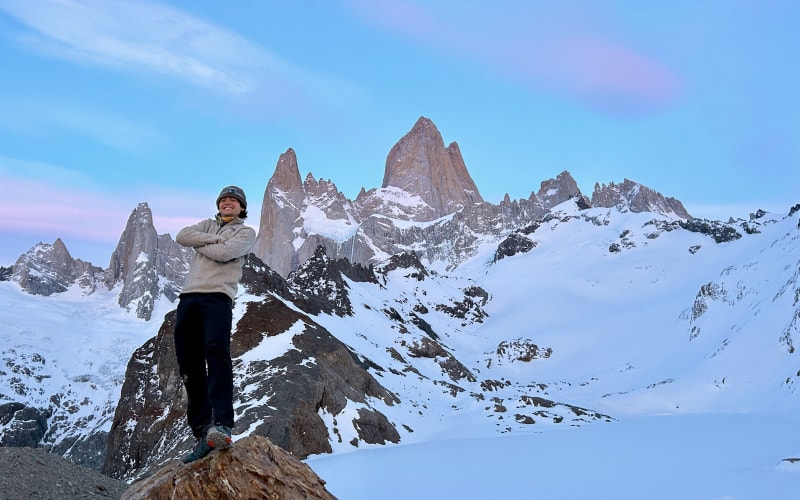
This program involves 6–7 hours of trekking and camping per day in mountainous terrain, among the most physically demanding SFS runs. Expect uneven ground while carrying personal gear (20–30 lbs), in wind, rain, sleet, snow, and cold temperatures. Accessibility is very limited.
A strong fitness baseline is essential: the ability to run a mile in under 12 minutes and comfortably hike 4–5 miles in under two hours is recommended. June temperatures (winter in the Southern Hemisphere) range from the high 20s to low 40s°F. Be prepared for snow throughout the program.
Based in Puerto Natales, a remote town in Patagonia, students frequently travel to field sites throughout the region via weekly day or overnight trips and multi-day camping excursions. Travel involves long car rides and basic camping conditions, often without Wi-Fi, heating, or plumbing. During the semester, students also travel briefly into Argentina.
Puerto Natales is a small, quaint tourist hub with fluctuating activity between high season (October–March) and low season (April–September). The surrounding Patagonian landscape is dramatic and dynamic, with rapid weather shifts. Despite the remote setting, students quickly find favorite cafés, walking routes, and scenic views.
Chilean culture is rich with regional customs and distinct dialects of Spanish. All classes are taught in English; no language proficiency is required, but prior Spanish knowledge enhances interactions. Language instruction is provided.
Local cuisine includes meat, starches, and vegetables. Students may prepare some meals in the shared kitchen and occasionally dine in town. Gluten-free and dairy-free options may be limited, and cross-contamination is possible.
SFS does not require specific vaccinations. Medical care in this remote region may be delayed up to 24 hours. Basic clinics and a hospital are located 10 minutes away in Puerto Natales; advanced care, including psychiatric services, requires a 3-hour drive to Punta Arenas. Bring a full supply of all prescription medications.
Temperatures and climates vary across SFS centers, and consistent medication storage conditions cannot always be guaranteed. A shared refrigerator is available at every center, but students are expected to understand their medical needs and plan accordingly before departure.
 Costa Rica · Atenas
Students follow a structured schedule (7 AM–5 PM) Monday through Friday. Evenings and most weekends are generally free for personal exploration, rest, or optional program-organized activities. Housing consists of shared dormitories with communal dining. A daily curfew is enforced.
During mid-semester break, the center is closed and students travel independently. A small kitchen is available in the dormitory for occasional use, though preparing meals independently throughout the program is not feasible due to scheduling demands.
Fieldwork includes short hikes (1–3 hours) through rainforests, cloud forests, and dry forests, as well as visits to local farms and conservation projects. Occasional night hikes require increased focus and adaptability. Terrain includes steep inclines and uneven paths, and weather conditions are often hot, humid, and rainy. Accessibility is limited.
Based at an SFS field station, students frequently travel to field sites around the region. Travel may include long bus rides on winding roads and occasional overnight stays. The program balances classroom learning with extensive fieldwork.
Set in a small tropical town, the program immerses students in a lush, biodiverse environment. Students regularly encounter iguanas, scorpions, spiders, and other tropical wildlife during fieldwork.
Costa Rican culture is shaped by strong Catholic influences. Conservative dress is expected in the local community. Spanish is the dominant language; English is widely spoken in tourist areas. Language instruction is provided for beginner through advanced levels.
Typical meals feature rice, beans, fruit, vegetables, and meat. Students with dietary restrictions must communicate their needs in advance. Cross-contamination is possible, and meal options may be limited in rural areas.
SFS does not mandate specific vaccinations. Basic medical facilities are about 10 minutes from the center; advanced care is 45–90 minutes away. Students may be 2+ hours from care during fieldwork. Bring a full supply of all prescription medications.
Temperatures and climates vary across SFS centers, and consistent medication storage conditions cannot always be guaranteed. A shared refrigerator is available at every center, but students are expected to understand their medical needs and plan accordingly before departure.
 Croatia · Adriatic Sea
Students follow a structured schedule (7 AM–7 PM) on weekdays. Shared dormitories (3–4 per room) with communal dining where meals are provided. A daily curfew is enforced. Local dining options are available in tourist season (April–October) but become limited in the off-season.
Evenings and most weekends are free for exploring Mali and Veli Lošinj. During the semester, students have two off-island long weekends and one mid-semester break, during which the center is closed and students travel independently.
Fieldwork involves boat rides of 2–4 hours for dolphin observation, assisting at the turtle rescue center, and walking or standing on uneven terrain for up to 1.5 hours. Students must be able to walk 3+ miles and navigate steep hills and uneven stone walkways. Walking is the primary mode of local travel, as public transportation is minimal.
Students with motion sickness, asthma, or respiratory sensitivities should consider the prevalence of smoking in Croatian culture and the physical challenges of extended boat trips.
A short swim test is required before water-based fieldwork begins. Required safety equipment is non-optional, and swimming alone or entering the water in unknown conditions is prohibited.
Based in Veli Lošinj, most fieldwork occurs within or near the town. Day trips are typically short: a 10-minute vehicle ride to Mali Lošinj or boat trips within 1 mile of the marina. One longer off-island trip occurs during the semester, dependent on ferry schedule and weather.
Veli Lošinj is a quaint island town on the Adriatic Sea, rich with history, hiking trails, and serene coastal landscapes. Local amenities include cafes, pharmacies, and small grocery stores, though many are closed or have reduced hours during the off-season.
Croatia has a strong Catholic identity; stores are often closed on Sundays. Students are not required to speak Croatian, but learning basic phrases enhances cultural immersion. All courses are taught in English.
Croatian cuisine is hearty and meat- and starch-heavy. The SFS kitchen can accommodate most allergies, but vegetarian, vegan, and gluten-free diets may be difficult to maintain consistently. A small dormitory kitchen is available but not practical for full meals.
SFS does not require specific vaccinations. Basic medical care is available 10 minutes from the center, but specialist treatment may require travel to the mainland, often involving overnight stays due to ferry schedules. Psychiatric care is not available on the island. In severe emergencies, air evacuation may be required. Bring a full supply of all prescription medications.
Temperatures and climates vary across SFS centers, and consistent medication storage conditions cannot always be guaranteed. A shared refrigerator is available at every center, but students are expected to understand their medical needs and plan accordingly before departure.
 Italy · Tuscany
Students follow a varied academic schedule (9 AM–5 PM). Evenings and most weekends are free for rest, local exploration, or optional group activities. Students live in shared apartment-style housing and are responsible for preparing their own meals, supported by a weekly grocery stipend. Some group meals are provided during field excursions. A daily curfew and quiet hours are observed.
Fieldwork includes visits to farms, biodiversity observation, and engagement with local communities. Terrain may be muddy, steep, and uneven, with many streets paved in cobblestones. Elevators are uncommon: there are none in student housing, and all students must use stairs daily. Accessibility is limited.
Based in Greve in Chianti, about an hour from Florence by bus, students frequently travel to field sites throughout Tuscany. Travel includes winding rural roads and occasional overnight stays in different regions.
Greve is a quaint Tuscan town surrounded by vineyards, olive groves, and scenic countryside. Restaurants, grocery stores, pharmacies, and cafes are within walking distance. In summer, temperatures may exceed 100°F (40°C) and air conditioning is not available in student housing.
Italian culture features conservative dress norms in many public settings. Italian is the primary language; basic phrases are taught and encouraged. While many locals speak English in tourist areas, using Italian is preferred in Greve. All coursework is conducted in English.
Italian cuisine features gluten, dairy, red meat, and seafood as staples. Students prepare most meals themselves but occasionally dine at local restaurants. Gluten and dairy allergies requiring no cross-contamination can be very hard to manage in Italy.
SFS does not require specific vaccinations. Basic medical care is five minutes from housing; advanced care is approximately 30 minutes away. Ambulance services are readily available, but students may be 2+ hours from care while traveling. Bring a full supply of all prescription medications.
Temperatures and climates vary across SFS centers, and consistent medication storage conditions cannot always be guaranteed. A shared refrigerator is available at every center, but students are expected to understand their medical needs and plan accordingly before departure.
 Kenya · Kimana
Students follow a structured schedule (7 AM–5 PM) including occasional weekends. Shared dormitory-style bandas (2–4 students per banda) with communal dining; all meals are provided. An early curfew is strictly enforced due to the presence of wildlife at and around the center. Independent travel is not permitted during the program.
Fieldwork includes wildlife tracking, game drives, short hikes, household surveys, and transects, often requiring 5–6 hours of activity per day. During Directed Research, students may be on their feet for several consecutive days. The climate is hot, arid, and dusty with intense sun exposure. Travel in rugged safari vehicles can be physically taxing, especially for those with spine, neck, or joint issues.
A baseline level of fitness is essential, including the ability to hike for 3 hours without stopping. Accessibility is limited for students with mobility impairments, asthma, or dust allergies.
Based at a rural field station near an agricultural village, the program frequently travels to national parks, conservation areas, and local communities, with some vehicle rides lasting 6+ hours over rugged roads. Semester students should prepare for 3–4 weeks of continuous travel, including stays at campsites, field stations, and hotels. The program includes brief mandatory daytime homestays with local families.
The SFS center near the town of Kimana is surrounded by diverse wildlife and expansive natural landscapes. Monkey calls, vivid sunsets, and close encounters with wildlife are part of daily life.
Kenya is home to diverse ethnic groups, languages, and traditional norms. Conservative dress is required during community interactions (covered shoulders, long pants or skirts past the knee). Public displays of affection or expressions of sexual orientation or gender identity are discouraged and may not be culturally accepted. Classes are taught in English; basic Swahili instruction is provided during semester programs.
Traditional Kenyan meals often include peanuts, maize, eggs, and spices. While traveling, substitution options are limited and cross-contamination cannot be guaranteed, especially on overnight camping expeditions. Gluten-free products and vegan protein sources are difficult to find.
SFS requires the Yellow Fever vaccination and malaria prophylaxis for the full program. For semester programs, see recommendations for Kenya, Tanzania, and Rwanda, as the program may include travel outside Kenya. Basic medical care is 30 minutes from the center; advanced services in Nairobi are approximately 4 hours away. Students may be 6+ hours from support during excursions. Bring a full supply of all prescription medications.
Temperatures and climates vary across SFS centers, and consistent medication storage conditions cannot always be guaranteed. A shared refrigerator is available at every center, but students are expected to understand their medical needs and plan accordingly before departure.
 Panama · Bocas del Toro
Students participate in structured classes and field activities (8 AM–7 PM) most weekdays, with occasional weekend commitments. Evenings and weekends offer free time for personal exploration within the Bocas Archipelago. A daily curfew is enforced. Students live in shared dormitories with communal dining.
Independent travel beyond Bocas is limited to mid-semester break, when the center is closed and students travel independently. Summer programs have more limited free time.
Field activities are physically demanding: snorkeling and swimming in open ocean waters (20 minutes to 2 hours) without life vests, hiking in tropical forests (up to 3 hours), and conducting marine and terrestrial research. Students must comfortably carry gear weighing up to 20 pounds. Panama’s climate is tropical: hot, humid, and frequently rainy. Accessibility is limited.
Students must pass a swim evaluation upon arrival before open-water fieldwork begins. Required safety equipment is non-optional, and swimming alone or entering the water in unknown conditions is prohibited.
Based in Bocas del Toro, with frequent short boat rides to neighboring islands and coastal areas. Boat travel can be uncomfortable, noisy, and physically taxing, especially for those with spine, neck, or joint issues. Semester programs include one to two overnight stays away from the center.
Bocas del Toro is a busy island tourist hub. Expect high humidity, daily rain during rainy seasons (May–August, November–January), and frequent muddy conditions. Wildlife encounters with insects, reptiles, and marine life are common.
Panama’s cultural diversity includes Indigenous, Afro-Caribbean, Chinese, and Spanish influences within a conservative, predominantly Catholic society. Public displays of affection or open expressions regarding sexual orientation and gender identity may be culturally discouraged. Spanish is the primary language; all SFS classes are in English, and language instruction is offered.
Typical meals include rice, beans, vegetables, eggs, and chicken, with limited gluten-free alternatives. Students with dietary restrictions must proactively communicate their needs.
SFS does not require specific vaccinations, though independent travel may expose students to malaria or yellow fever regions. Medical care can be delayed up to 24 hours. Basic facilities are 10 minutes away; advanced care is approximately 2 hours away in David or Changuinola. Critical emergencies may require air evacuation to Panama City. Bring a full supply of all prescription medications.
Temperatures and climates vary across SFS centers, and consistent medication storage conditions cannot always be guaranteed. A shared refrigerator is available at every center, but students are expected to understand their medical needs and plan accordingly before departure.
 Peru · Tarapoto
Students participate in structured classes and field activities on weekdays (8 AM–5 PM), with evenings and most weekends free. A daily curfew is enforced except during two free weekends and mid-semester break, when the center is closed and independent travel is required.
Housing is shared (4–6 per room). Weekday and Saturday meals are provided; students prepare their own meals on Sundays. A student kitchen is available, though regular meal prep is not practical due to the schedule.
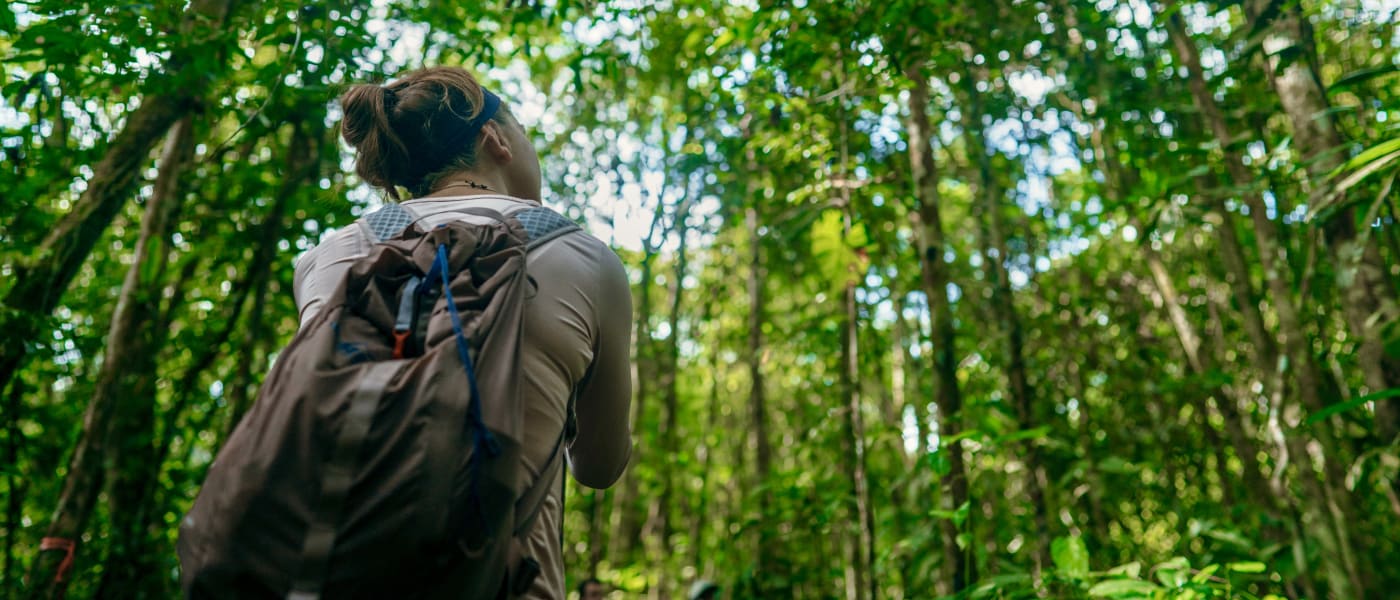
Fieldwork includes hiking (1–3 hours) in tropical rainforests and cloud forests. Semester students also work in the Andes at elevations of around 13,000 feet; the summer program does not travel to the Andes. Expect uneven terrain, steep inclines, and rapidly shifting weather, from high humidity and rain to cooler temperatures at altitude. The center is located on steep terrain with inclines and steps, limiting accessibility.
Based in Tarapoto, with weekly travel to field sites via bus or plane. Expect long, winding bus rides and occasional overnight stays. Semester students also visit Cusco and other locations, requiring adaptability to new environments and altitudes.
Tarapoto is an ecotourism hub with markets, cafes, pharmacies, and shops a 10-minute walk or tuk-tuk ride from the center. In the field, expect routine encounters with monkeys, reptiles, spiders, and scorpions.
Peruvian culture blends Indigenous traditions and a strong Catholic influence. Conservative dress is expected in the local community. Spanish is the primary language; no prior proficiency is required, but basic skills enhance daily interactions. Language classes are provided.
Peruvian cuisine features starches, fruits, vegetables, and proteins like chicken and pork. Students with allergies should communicate needs early, as rural alternatives may be limited. Food providers outside the program typically do not speak English.
SFS requires the Yellow Fever vaccination and Rabies pre-exposure series a minimum of 2 weeks before departure. The semester program travels into the Amazon, where malaria prophylaxis is required for the full program; the summer program does not visit the Amazon region, so it is not required. Basic medical services are 10 minutes away; advanced care is approximately 2 hours away. In severe emergencies, students may be evacuated to Lima. Bring a full supply of all prescription medications.
Temperatures and climates vary across SFS centers, and consistent medication storage conditions cannot always be guaranteed. A shared refrigerator is available at every center, but students are expected to understand their medical needs and plan accordingly before departure.
 Tanzania · Rhotia
Students participate in a structured schedule (7 AM–7 PM) including some weekends. A daily curfew is enforced at 7:00 PM. Shared dormitory-style housing (2–3 per room) with communal meals.
During the semester, students may have brief independent travel opportunities (3–4 days), though free time is otherwise limited. The program includes 1–3 multi-day camping excursions with extended periods away from the center.
Fieldwork includes data collection, game drives, wildlife tracking, and hiking up to 3 hours on uneven terrain under hot, dry, and dusty conditions. Expect extended sun exposure, bumpy safari vehicle rides, and long days outdoors. Those with respiratory issues, dust allergies, or conditions affecting the neck, spine, or lower limbs may find the program particularly challenging. A baseline level of physical fitness is essential.
Based at a rural field station near Rhotia village (about 3 hours from Arusha), students frequently travel to the Serengeti, Ngorongoro, Lake Natron, and other conservation areas. Expect long drives on rugged roads and multi-day camping trips without Wi-Fi, internet, or phone service. Semester students may participate in brief daytime homestays with local families. Schedule changes due to weather, vehicle issues, or field conditions are common.
The SFS center in Rhotia is surrounded by diverse wildlife and expansive landscapes. Monkey calls, insects, reptiles, and birds are part of daily life.
Tanzania is home to multiple ethnic groups and languages. During community interactions, conservative dress is required and students are expected to follow local gender norms. Public displays of affection or expressions of sexual orientation or gender identity are discouraged and may not be culturally accepted. Swahili and English are official languages; all SFS coursework is in English, with basic Swahili and cultural instruction provided.
Tanzanian cuisine includes maize, starches, chicken, eggs, peanuts, and spices. In the field, meals are simple. Gluten-free products and vegan alternatives are scarce, especially in remote locations. Cross-contamination cannot be guaranteed during camping expeditions.
SFS requires the Yellow Fever vaccine and malaria prophylaxis for the program duration. Basic care is approximately 30 minutes from the center; advanced medical care is about 3 hours away in Arusha. Students may be 6+ hours from support during excursions. Bring a full supply of all prescription medications.
Temperatures and climates vary across SFS centers, and consistent medication storage conditions cannot always be guaranteed. A shared refrigerator is available at every center, but students are expected to understand their medical needs and plan accordingly before departure.
 Turks & Caicos · South Caicos
Students follow a structured weekly schedule (8 AM–6 PM, Monday through Saturday) including classes, marine fieldwork, community service, and optional waterfront activities. Evenings and Sundays offer time for rest, town visits, or informal center activities. A daily curfew is observed.
The center closes during mid-semester break (1 week), when independent travel is required. Local amenities are limited: restaurants mostly offer takeaway only, and grocery stores carry basic provisions. A local gym and athletic field are accessible on foot.
The program includes snorkeling, SCUBA diving, and marine field research. Students must be able to exert themselves at a level comparable to a 1-mile run, often in strong currents or choppy water. The climate is hot and humid year-round with strong sun exposure and no air conditioning in accommodations.
SCUBA students must submit a physician-reviewed Diver’s Medical Questionnaire and may need additional clearance. SCUBA gear weighs up to 50 lbs, and students are often in the water daily when conditions permit. Accessibility is limited for those with mobility impairments or respiratory concerns.
Most fieldwork happens in or on the water. All students complete a swim assessment before water fieldwork or recreation, required safety equipment is non-optional, and swimming alone or diving in unknown conditions is prohibited.
Based on South Caicos, with most travel by boat or vehicle within 1 mile of the center. Occasional trips across the island are under 30 minutes by vehicle. Semester programs include one off-island camping trip. Travel is minimal and schedules are relatively stable.
South Caicos is a remote, rural Atlantic island with a population of approximately 1,500, accessible by 1-hour ferry or 15-minute flight from Providenciales. The center operates entirely on collected rainwater: students are limited to one freshwater shower per week, with daily saltwater showers available, and must hand-wash laundry in saltwater.
South Caicos has a blend of Caribbean cultural influences, including Haitian, Dominican, and Jamaican communities. Conservative dress is expected in the local community. English is the primary language, with Creole and Spanish also present.
Meals typically consist of rice, potatoes, canned vegetables, and basic proteins. Fresh fruits and vegetables are limited; vegan or gluten-free diets may lack variety. Cumin is a staple ingredient in nearly all food preparations. The center houses two dogs, and fur/dander may accumulate despite efforts to limit their presence indoors.
SFS does not require specific vaccinations. A small local clinic offers basic services. Specialist care requires travel to Providenciales (via ferry or flight), potentially requiring overnight stays (~$180–$200 round trip). In emergencies, evacuation via the US Coast Guard to Miami or other U.S. hospitals may be necessary. Bring a full supply of all prescription medications.
Temperatures and climates vary across SFS centers, and consistent medication storage conditions cannot always be guaranteed. A shared refrigerator is available at every center, but students are expected to understand their medical needs and plan accordingly before departure.
Ready to prepare? The Resources page holds your center's Field Guide, Health & Safety Guide and Checklist, and any visa instructions, plus the syllabus for every course, past Directed Research titles, the LGBTQ+ Student Guide, and the enrollment forms you'll complete before departure.
Questions about health and safety? Contact studentlife@fieldstudies.org; we’re happy to help you prepare.
Explore our 29 program offerings across 12 countries and find the experience that's right for you.
Explore Programs