


How We Teach
The SFS Model
An interdisciplinary curriculum grounded in research, rooted in place, and built around the idea that the world itself is the best classroom.
An interdisciplinary curriculum grounded in research, rooted in place, and built around the idea that the world itself is the best classroom.
At our Kenya center you track elephants across the savanna; in the Turks and Caicos Islands you survey reef fish on dive transects; in Australia you map rainforest plots. With SFS, you study ecosystems by living and working in them. Each program runs a single semester or summer term at one field center, with coursework, field research, and community work built into a five- or six-day week.
Every program weaves together ecology, social science, economics, and policy. Students build a solid theoretical foundation in the classroom, then deploy that knowledge directly in the field.
SFS operates permanent field stations embedded in their communities. These aren't temporary campsites: they're home to faculty, staff, and students, anchoring long-term community partnerships and research year after year.
Classroom theory meets field application. Students design and conduct real research under faculty mentorship, contributing to each center's ongoing scientific inquiry and community partnerships.
Students live, work, and study as a close-knit group. Supported by Center Directors, faculty, and Health & Wellness Managers, the cohort becomes a second family far from home.
Environmental issues are complex. To effectively address them, the SFS curriculum is intentionally interdisciplinary, encouraging students to observe, discuss, question, reflect, and experience the implications of the issues around them.
Time in the classroom builds a solid understanding of environmental history, theory, and conservation techniques before students deploy that knowledge in the field. Sessions include lectures, debates, discussions, and presentations, all designed to build the confidence to tackle environmental problems head-on.
Every SFS semester program includes courses that span the natural and social sciences and build skills in environmental field research. Classroom lectures and field excursions incorporate multiple perspectives and emphasize indigenous voices.


SFS operates permanent field stations located in areas especially suited for academic study and community engagement. Our centers are home to faculty, staff, and students, and anchor the long-term research upon which our mission is based.
Students engage in meaningful community outreach that strengthens both SFS' ties to the community and their own sense of place and belonging while abroad. In Cambodia, students stay with a family in a floating village. Other programs offer day visits, all deepening students' understanding of local cultures and ways of life.
In addition to regular coursework, students participate in outreach activities such as tree plantings, stream clean-ups, and youth swim classes, and present research findings to stakeholders and community members at the end of the term. These create meaningful connections between coursework and the surrounding environment.
On their own time, students are encouraged to attend cultural events, travel to and explore nearby towns, try local cuisines, and develop community ties outside of SFS. Many of our centers are well known in their host communities, and these opportunities can enhance a student's sense of belonging beyond that of a conventional tourist.

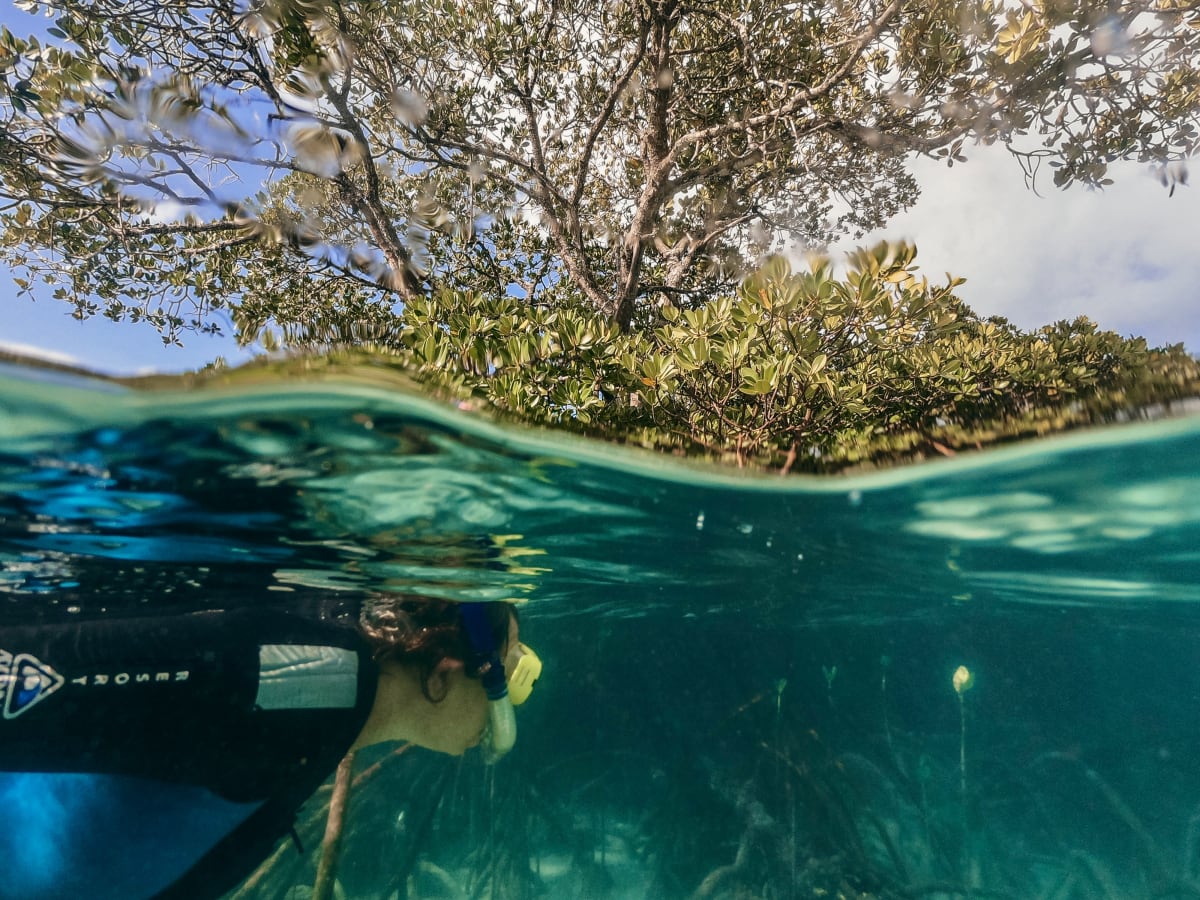
The SFS community is part of a growing network of individuals and institutions committed to environmental stewardship. Students are passionate about the environment and are often drawn to SFS because of our research focus. Although they come from very different backgrounds, they are brought together by a strong desire to learn about the natural world and contribute to its protection.
Our interdisciplinary structure is complemented by diverse faculty members representing both natural and social science perspectives as well as a wide array of identities and backgrounds. Most hold terminal degrees, and about half are women, almost double the nationwide representation of women in STEM jobs. Many SFS faculty and staff are host-country nationals.
We recognize that solving today's greatest environmental challenges requires that all people have a seat at the table. SFS strives to cultivate inclusive communities, encouraging student cohorts that represent human diversity across the globe. We believe diversity in all forms broadens open-mindedness, expands learning opportunities, and contributes to a positive environment in which to live and learn.

Students may enter the program feeling like an outsider in a foreign place, but leave as part of the global SFS family, having formed lifelong friendships and lasting connections to their host community.
Students take with them a deeper understanding of environmental issues and the ability to critically analyze their own biases and assumptions about the world. Each cohort leaves behind meaningful research for future students to build upon, contributing to the SFS legacy of scientific knowledge and impactful change.
"Being in Bhutan and studying something I genuinely care about, in one of the most spectacular places on Earth, was unlike anything I could have found at home. I came back with research skills and a worldview I still draw on every day."— SFS Bhutan Alum
SFS programs run each semester and summer across 12 countries. Explore locations, themes, and program formats to find your fit.