Summer Session 1 | Peru
About This Program
Four Weeks. Ancient Medicinal Knowledge.
The Amazon holds tens of thousands of plant species, and Indigenous communities have understood their uses for millennia. In four weeks, you step into that knowledge, working alongside the healers who have used these plants for generations and asking how traditional medicine and biomedical science can inform each other.
You'll work alongside local healers and SFS faculty to document the plants of traditional medicine, build a botanical collection with a field identification key, and learn how medicinal plants are harvested and remedies prepared and used.
In the Field
What You'll Do

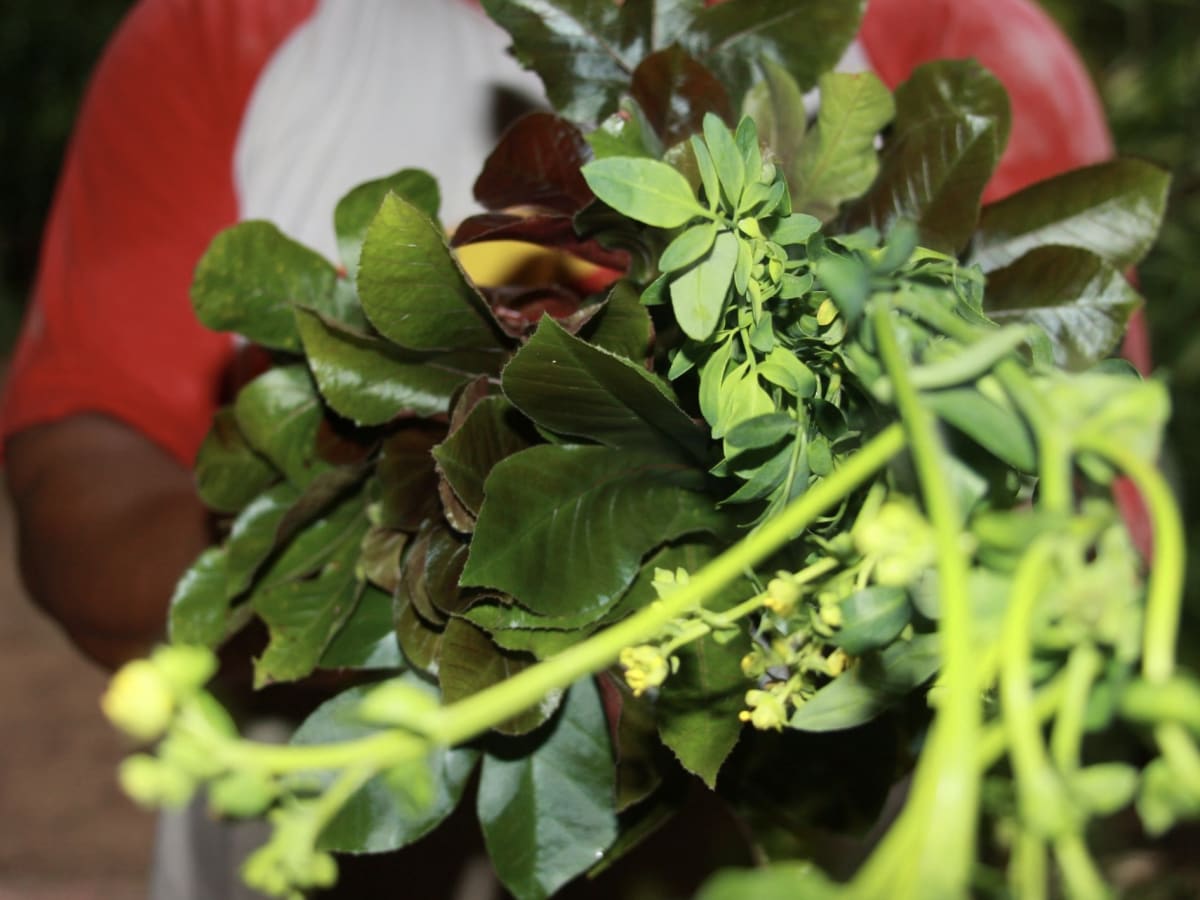
Ethnobotanical Plant Surveys
Document medicinal and culturally significant plants with guidance from Indigenous knowledge holders in Peru's Upper Amazon.

Learn from Amazonian Healers
Learn hands-on from mestizo and Indigenous healers how medicinal plants are harvested and remedies prepared and used.

Approach Enigmatic Healing Knowledge
Explore puzzling Amazonian healing concepts with scientific rigor, documenting from experienced practitioners how their practices hold health in balance and how sacred plants like tobacco and coca shift from powerful medicine to deadly vice.
Beyond the Center
Field Sites
Field sites run from old-growth medicinal forests in Indigenous communities and protected areas to the Takiwasi Center's plant garden and the homes where healers perform their rituals.

Takiwasi Center
A Tarapoto treatment center that heals addiction with Amazonian medicinal plants.

Nuwas Forest
An initiative led by Indigenous Awajún women, who add value to medicinal plants while conserving the forest.

Healer Communities
Where mestizo and Indigenous healers harvest plants, prepare remedies, and perform their rituals.
Experience Peru
The Healers Know the Forest by Name.
Indigenous practitioners have cataloged Amazonian plant diversity for millennia, knowledge that Western science is only beginning to verify. Students collect botanical specimens alongside local healers, document medicinal uses through ethnobotanical interviews, and learn how medicinal plants are harvested and remedies prepared and used. A tour of the Takiwasi center's medicinal-plant garden and a visit to an Awajún women's forest initiative connect the plants to the people who protect and use them.
Academics
Ethnobotany in the Field
This 4-credit course integrates plant taxonomy, ethnobotanical research methods, and conservation biology into intensive daily fieldwork. You'll build botanical collections, learn plant identification techniques, and produce a research portfolio documenting your findings.
Course
1 course · 4 credits · 4 weeks
SFS 3832
Amazonian Plant Biodiversity and Traditional Medicine
4 Credits
Explores traditional medicine as practiced by Indigenous people in the Peruvian Amazon, studying ethnobotany and plant-based healing systems.
View Syllabus (PDF)Explore the Amazon This Summer
Now enrolling for Summer 2027.
Plan Ahead
Dates & Costs
Summer 2027
Open
May 31, 2027 – Jun 29, 2027
Cost: Coming soon
4 weeks, 4 credits. Financial aid and SFS scholarships available.