Elephants. Gorillas. Two Countries. One Semester.
Kilimanjaro glows pink at first light. Below, a matriarch leads her family through Amboseli's marshes, part of one of the few elephant populations fully recovered from the poaching catastrophe of the 1970s and '80s. Around her, unfenced corridors still connect savanna, swamp, and acacia woodland. But drought is tightening, settlements are spreading, and the rangelands that sustain these herds are shrinking by the season.
From Kimana, you set camera traps across Amboseli, age elephants with scan-sampling ethograms, photograph individual Maasai giraffes for Giraffe Spotter software in ALOCA conservancies, and interview Imbirikani farmers about crop-raiding mitigation. The semester crosses borders: about a week in Rwanda studying mountain gorillas with the Dian Fossey Gorilla Fund, monitoring vegetation and collecting non-invasive fecal samples in Volcanoes National Park.

What You'll Do

Elephant Aging & Behavioral Ethograms
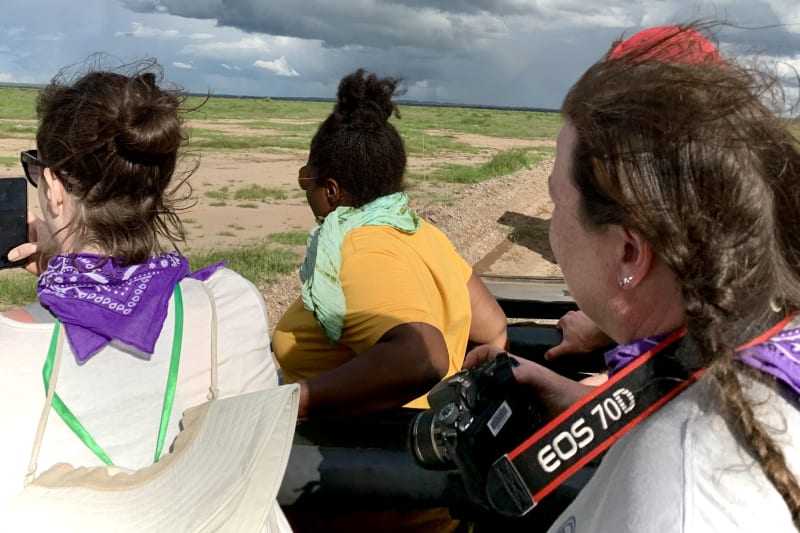
Age and sex savanna elephants in Amboseli during 4.5-hour observation sessions, building ethograms from scan-sampling data that track feeding, social hierarchy, and movement behavior from research vehicles.

Mountain Gorilla Research
Spend about a week in Rwanda's Volcanoes National Park studying gorillas with the Dian Fossey Gorilla Fund: sampling vegetation, analyzing invertebrates, and collecting non-invasive fecal data.

Maasai Giraffe Photo-ID
Photograph individual Maasai giraffes by age and physical characteristics in ALOCA conservancies, then process field images with Giraffe Spotter software to build population identification catalogs.

Black Rhino Habitat Monitoring
Assess mega-herbivore impacts on whistling acacia (a keystone species comprising 75% of black rhino diet) at Ol Pejeta Conservancy in Laikipia.

Maasai Community Engagement
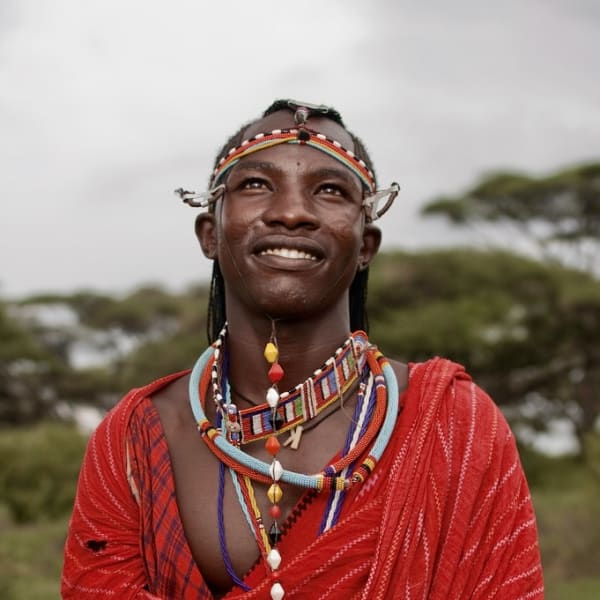
Join Maasai families for six-hour homestays, visit the Osiligi Women Network in Oloitokitok, and observe livestock marketing at the Kimana weekly market.
Endangered Species Storytelling
Produce a fifteen-minute documentary on an endangered species, combining field footage and community interviews, then upload it to SFS Kenya's YouTube channel.
Field Sites
From Amboseli's elephant corridors to Rwanda's gorilla forests: fifteen weeks across two countries and three of Africa's most critical ecosystems.

Amboseli Ecosystem
One of the few elephant populations fully recovered from 1970s poaching: 1,600+ individuals.

Ol Pejeta & Laikipia
Kenya's highest black and white rhino populations, and a chimpanzee rescue sanctuary.

Rwanda & Volcanoes NP
About a week studying mountain gorillas with the Dian Fossey Gorilla Fund.
Elephants to Gorillas. Amboseli to Rwanda.
Elephant demographic data stretches back to the 1960s in the Amboseli ecosystem. Lion behavior is tracked from vehicles that have run the same transects for years. Cheetah conservation in the Maasai Mara now depends on radio telemetry, drones, and genetic mapping. And at Ol Pejeta Conservancy, black rhinos live behind armed guard in a long-running rhino recovery program. The semester crosses borders: about a week in Rwanda, studying mountain gorillas in Volcanoes National Park alongside the Dian Fossey Gorilla Fund.
Science on the Savanna
Five courses span wildlife ecology, conservation science, and political ecology across two countries. Students learn IUCN classification criteria for threatened species, conduct large-mammal road transects, set camera traps to assess species diversity, and monitor gorilla ecosystem vegetation in Rwanda's Volcanoes National Park, while a parallel course in anthropology and storytelling produces a fifteen-minute documentary that communicates conservation through narrative.
Courses
Five courses integrating wildlife ecology, community conservation, and land-use science across Kenya's savanna landscapes.
Ages elephants using scan-sampling ethograms, interviews KWS and Big Life Foundation on lion threats, and monitors whistling acacia for black rhinos at Ol Pejeta.
View Syllabus (PDF)Sets camera traps, surveys large mammals by road transect, identifies individual giraffes with Giraffe Spotter software, and assesses endangered waterbirds at Amboseli.
View Syllabus (PDF)Examines pastoral transformation through Maasai homestays, documents human-elephant conflict at Imbirikani, visits the Osiligi Women Network, and studies gorilla conservation politics in Rwanda.
View Syllabus (PDF)Beginner Swahili covering noun classes, verb tenses, and conversation, with Maasai cultural immersion through homestays, the Kimana livestock market, and Manyatta ecotourism analysis.
View Syllabus (PDF)Faculty-led research plus a fifteen-minute storytelling film: past projects include the status of lions in the Amboseli ecosystem, hyena den distribution and human-hyena conflict, and stakeholder views of human-wildlife coexistence.
View Syllabus (PDF)
Your Semester on the Savanna Starts Here
Apply now to join the next cohort at the Center for Endangered Species Conservation.
Dates & Costs
Semester program: 15 weeks, 18 credits. Financial aid and SFS scholarships available.