Where Rainforest Meets the Reef
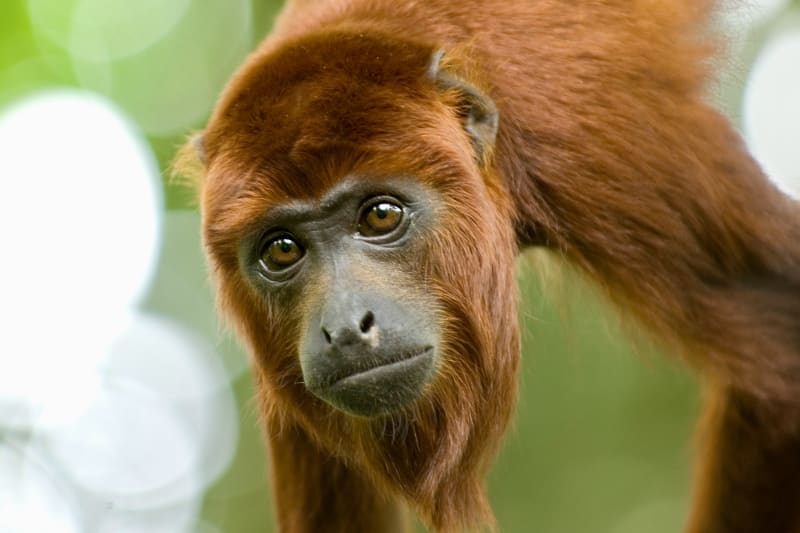
In Far North Queensland, the Wet Tropics rainforest announces itself in towering figs, curtain-like vines, and a chorus of unseen birds. Students spend much of the semester learning this ecosystem from the inside: the elusive marsupial and bird populations that inhabit it, the threats it faces, and what conservation can do to help.
Field exercises run all through the coursework, from local restoration projects to biodiversity surveys to the study of Traditional Ecological Knowledge. Students also step briefly into the outback and out to the Great Barrier Reef, glimpsing how fragmented ecosystems still link together. Every survey, spotlight session, and data sheet adds to a story still unfolding in one of the world's most vibrant yet pressured landscapes.
What You'll Do

Vegetation Plot Surveys
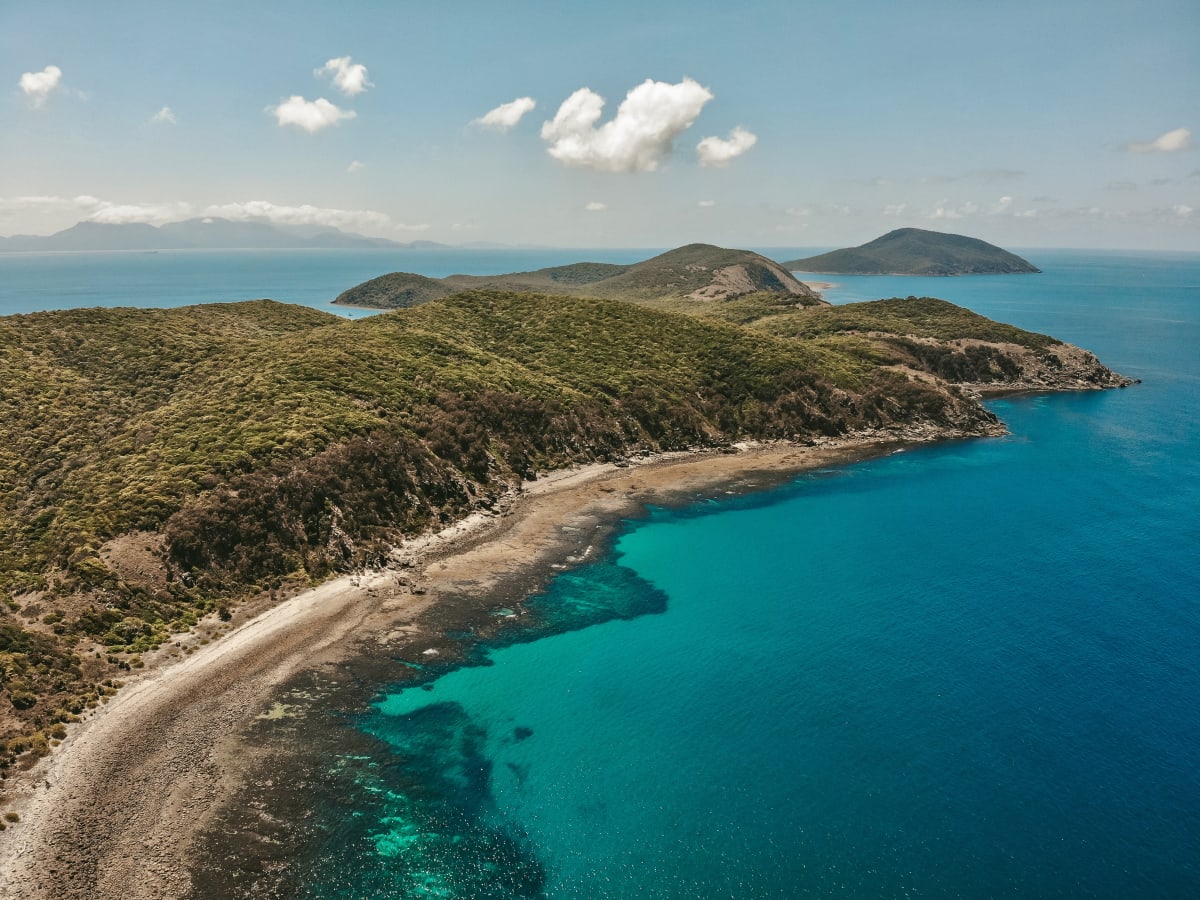
Set up research plots in old-growth rainforest, identify plants using spot characters taught in a five-hour workshop, and construct forest profiles that reveal how fragmentation reshapes canopy structure.
Reef Island Expedition
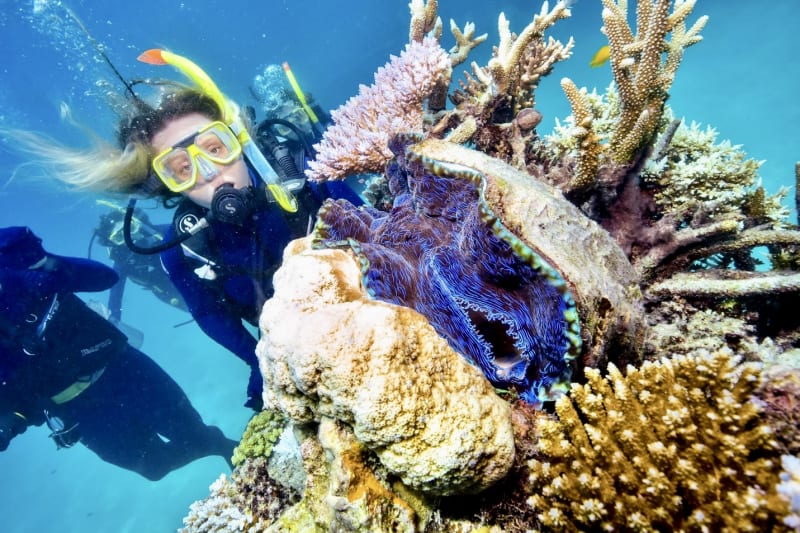
Travel to an offshore Great Barrier Reef island for a day-long excursion: snorkeling coastal ecosystems, recording reef ecology data, and comparing marine biomes to the terrestrial habitats studied on land.
Nocturnal Spotlighting & Bird Walks
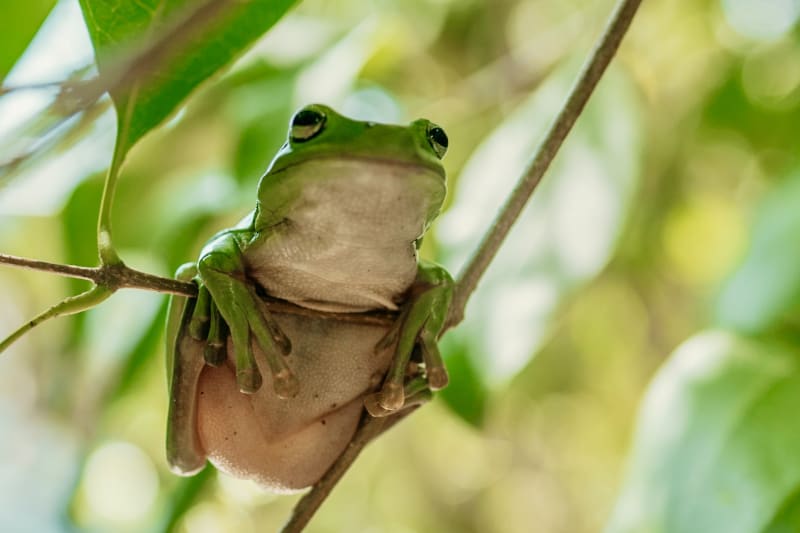
Spotlight greater gliders and other nocturnal rainforest mammals along rainforest transects after dark, then rise for dawn bird walks identifying species by sight and sound before a graded ID quiz.

Daintree Rainforest Expedition
Travel north for a two-to-three-day trip into the Daintree, the oldest rainforest on Earth, studying its vegetation and wildlife from the forest floor to the canopy.

Habitat Restoration & Community Conservation
Join full-day field lectures alongside community-driven restoration projects on the Atherton Tablelands, visiting wildlife corridors, riparian linkages, and NGO connectivity efforts across the Wet Tropics.

GIS & Spatial Analysis
Collect field data with GPS, build habitat maps in ARC-GIS, and contribute to the center's revegetation database, a long-term spatial record tracking restoration plots since 2016.
Field Sites
Research spans the UNESCO Wet Tropics World Heritage Area, national and state parks, Aboriginal country, and habitats running from rainforest to reef.
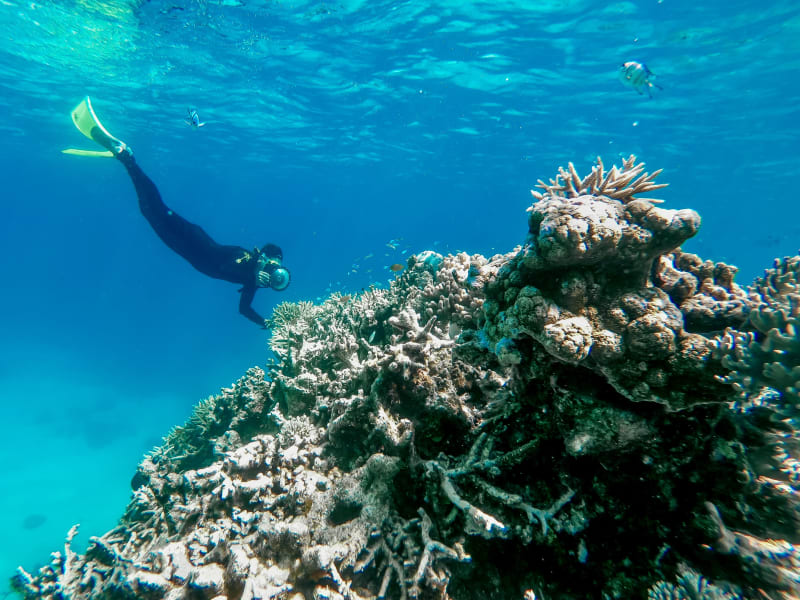
Great Barrier Reef
One to two day trips each semester, for snorkeling and a reef ecology survey.

Wet Tropics Rainforest
Spotlighting and dawn bird walks on campus, plus a two-to-three-day expedition to the Daintree.

Atherton Tablelands
Revegetation corridors, the Tolga Bat Hospital, and regenerative farms beyond the forest.
The Oldest Forest on Earth. The Largest Reef. One Semester.
A single semester can move through primary and secondary tropical rainforest, the Great Barrier Reef, tropical savanna, wet sclerophyll forest, coastal scrub and mangrove, and Melaleuca paperbark swamp. Students map restoration sites with GIS and lend working hands to local conservation groups, contributing to restoration projects and the research behind them. The first half of the semester runs on coursework, academic excursions, and community service. The second half belongs to Directed Research, where students join faculty-designed projects.
Interdisciplinary & Field-Based
Three four-credit disciplinary courses and a four-credit Directed Research capstone shape the semester. Each course is participatory by design, mixing lectures, field exercises, assignments, tests, and research to foster inquiry and active learning. For Directed Research, students are assigned to faculty-designed projects, working alongside faculty on questions that inform land management on the Tablelands.
Courses
Four integrated courses totaling 16 credits
Surveys rainforest, savanna, wetland, mangrove, and reef ecosystems through vegetation plot fieldwork, a day-long Great Barrier Reef island excursion, and iNaturalist biodiversity documentation.
View Syllabus (PDF)Identifies threats to Wet Tropics fauna through nocturnal spotlighting, dawn bird walks, GIS mapping, and a mammal diversity study comparing old-growth and secondary forests.
View Syllabus (PDF)Examines environmental law, World Heritage policy, and Aboriginal land management through stakeholder analysis, social science surveys, and an Aboriginal cultural heritage experience.
View Syllabus (PDF)Faculty-led field research contributing to long-term regional datasets: past projects include dung beetle diversity across restoration plots, microbat acoustic surveys in the Wet Tropics, and Mabi rainforest recovery on volcanic cinder cones.
View Syllabus (PDF)

Start Your Rainforest Semester
Applications are now open for upcoming semesters.
Dates & Costs
Semester program: 15 weeks, 16 credits. Financial aid and SFS scholarships available.